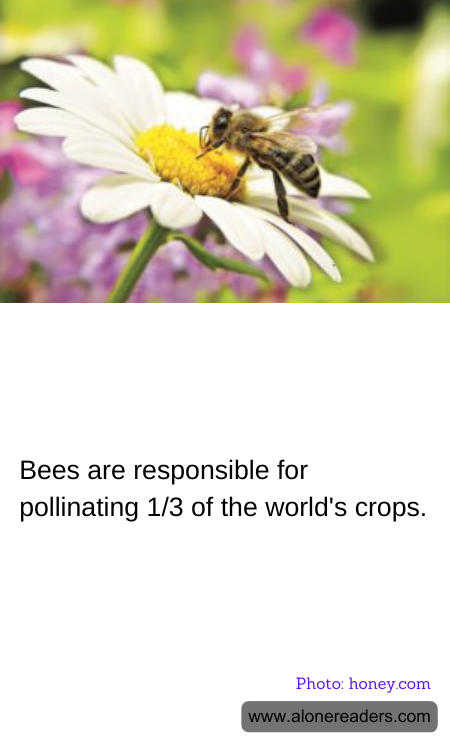
Bees, often seen buzzing around gardens and fields, play a crucial role in the ecosystem that extends far beyond their production of honey. These industrious insects are responsible for pollinating approximately one-third of the world's crops, a task that is vital for the production of many fruits, vegetables, and nuts that make up a significant portion of our diet. Without bees, the global food supply would face serious challenges, affecting both the variety and availability of food.
Pollination is the process by which pollen is transferred from the male part of a flower to the female part, enabling plants to produce seeds and fruit. While wind and other animals also contribute to pollination, bees are among the most efficient and effective pollinators. Their bodies are uniquely adapted to collect and distribute pollen as they move from flower to flower in search of nectar. This symbiotic relationship benefits both the plants, which can reproduce, and the bees, which gain nourishment.
The impact of bees on agriculture is profound. Many of the crops that rely on bee pollination are staples in our diets, including apples, almonds, blueberries, and cucumbers. In fact, some crops, such as almonds, are almost entirely dependent on bees for pollination. The economic value of pollination by bees is estimated to be in the billions of dollars annually, underscoring their importance not only to food production but also to the agricultural economy.
However, bee populations worldwide are facing significant threats. Pesticides, habitat loss, climate change, and diseases have all contributed to a decline in bee numbers. This decline poses a risk not only to the bees themselves but also to the global food supply. Efforts to protect and preserve bee populations are essential. Initiatives such as creating bee-friendly habitats, reducing pesticide use, and supporting sustainable farming practices can help ensure that bees continue to thrive and perform their vital role in pollination.
For individuals, there are simple ways to support bee populations. Planting a variety of flowers that bloom at different times of the year can provide bees with a steady source of nectar. Avoiding the use of harmful pesticides and supporting local beekeepers by purchasing honey and other bee products can also make a difference.
In conclusion, bees are indispensable to the health of our planet and our food systems. Their role in pollinating one-third of the world's crops highlights the interconnectedness of nature and the importance of preserving biodiversity. By taking steps to protect bees, we are not only safeguarding these remarkable creatures but also ensuring a sustainable future for ourselves and generations to come.
