More About This Card
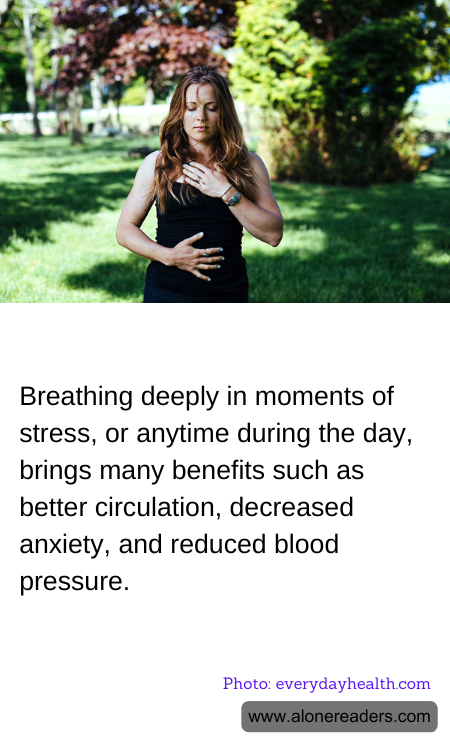
In the hustle and bustle of modern life, stress has become an almost unavoidable companion. Whether it's due to work pressures, personal challenges, or the constant barrage of information from digital devices, stress can take a toll on both our mental and physical health. However, a simple and effective tool to combat stress is right under our noses—breathing deeply. Engaging in deep breathing exercises, whether during moments of stress or as a regular practice throughout the day, offers a multitude of benefits that can significantly enhance overall well-being.
Deep breathing is a natural and accessible way to improve circulation. When we breathe deeply, we increase the intake of oxygen, which is then transported by the bloodstream to various parts of the body. This enhanced oxygen flow helps to nourish cells and tissues, promoting better circulation. Improved circulation means that the body can function more efficiently, leading to increased energy levels and a heightened sense of vitality. For individuals who spend long hours sitting or have sedentary lifestyles, incorporating deep breathing exercises can be particularly beneficial in maintaining healthy blood flow.
Moreover, deep breathing is a powerful tool in reducing anxiety. When we are stressed, our breathing tends to become shallow and rapid, which can exacerbate feelings of anxiety. By consciously slowing down and deepening our breath, we activate the body's relaxation response. This shift helps to calm the nervous system, reducing the production of stress hormones like cortisol. As a result, feelings of anxiety can diminish, leaving us with a greater sense of calm and clarity. Regular practice of deep breathing can also enhance mindfulness, allowing us to remain present and focused, which further contributes to reduced anxiety levels.
Another significant benefit of deep breathing is its ability to lower blood pressure. High blood pressure is a common health issue that can lead to serious conditions such as heart disease and stroke. Deep breathing exercises help to relax the blood vessels, allowing them to dilate and improve blood flow. This relaxation response can lead to a decrease in blood pressure, providing a natural and non-invasive way to support cardiovascular health. For those already managing high blood pressure, incorporating deep breathing into their daily routine can be a valuable complement to medical treatments.
Incorporating deep breathing into daily life is simple and requires no special equipment. It can be practiced anywhere—at home, in the office, or even during a walk in the park. To begin, find a comfortable position, close your eyes if you wish, and take a slow, deep breath in through your nose, allowing your abdomen to expand. Hold the breath for a moment, then exhale slowly through your mouth. Repeat this process for a few minutes, focusing on the rhythm of your breath and the sensation of relaxation spreading through your body.
In conclusion, deep breathing is a powerful yet simple practice that offers numerous health benefits. By improving circulation, reducing anxiety, and lowering blood pressure, deep breathing can enhance both physical and mental well-being. Whether used as a quick stress-relief technique or as part of a regular wellness routine, deep breathing is a valuable tool for anyone seeking to improve their quality of life.