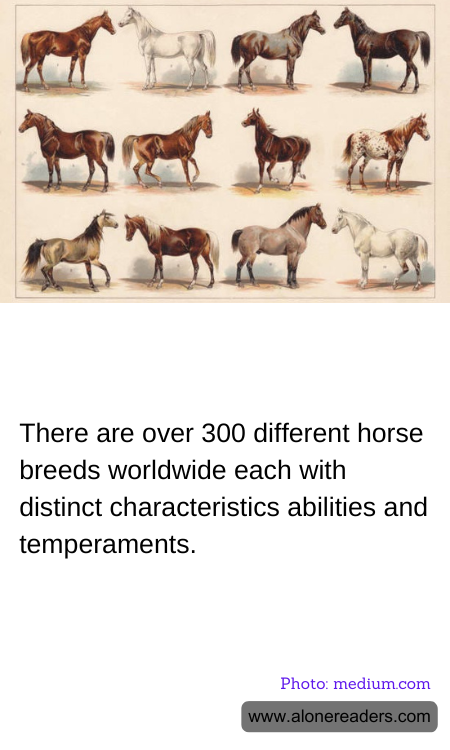
Horses have been an integral part of human history, serving as companions, workers, and athletes. With over 300 different breeds worldwide, each horse brings its own unique set of characteristics, abilities, and temperaments to the table. This diversity is a testament to the adaptability and versatility of these magnificent creatures, which have been selectively bred over centuries to meet various human needs and environmental challenges.
The variety in horse breeds is astonishing, ranging from the diminutive and sturdy Shetland Pony to the towering and elegant Shire Horse. Each breed has been developed with specific purposes in mind, whether it be for work, sport, or companionship. For instance, the Arabian horse, known for its endurance and speed, has been a prized possession in the Middle East for centuries and is often considered the foundation of many modern breeds. In contrast, the Clydesdale, with its powerful build and gentle demeanor, has been a staple in agriculture and heavy hauling.
Beyond their physical attributes, horse breeds also differ significantly in temperament. Some breeds, like the American Quarter Horse, are known for their calm and cooperative nature, making them ideal for beginners and families. Others, such as the spirited Thoroughbred, are renowned for their competitive spirit and are often seen in racing circuits around the world. This variety in temperament allows horse enthusiasts to find a breed that matches their personality and riding style, whether they seek a leisurely trail ride or a thrilling gallop across open fields.
The abilities of different horse breeds are equally diverse. Draft horses, like the Belgian and Percheron, are built for strength and endurance, capable of pulling heavy loads and working long hours. On the other hand, breeds like the Lipizzaner are celebrated for their agility and grace, often showcased in classical dressage performances. The versatility of the Morgan horse, known for its strength, speed, and intelligence, makes it a popular choice for a wide range of disciplines, from driving to jumping.
The global distribution of horse breeds reflects the cultural and geographical influences that have shaped them. In the icy landscapes of Iceland, the Icelandic horse is revered for its unique gait and resilience to harsh climates. Meanwhile, in the vast plains of Argentina, the Criollo horse is celebrated for its stamina and ability to thrive in rugged terrains. These breeds not only highlight the adaptability of horses but also the rich tapestry of human culture and tradition that has influenced their development.
In conclusion, the world of horse breeds is as diverse as it is fascinating. Each breed, with its distinct characteristics, abilities, and temperaments, offers something unique to horse lovers and riders. Whether for work, sport, or companionship, there is a horse breed to suit every need and preference, reflecting the enduring bond between humans and these remarkable animals. As we continue to appreciate and preserve this diversity, we ensure that future generations can enjoy the beauty and utility of horses in all their varied forms.
