More About This Card
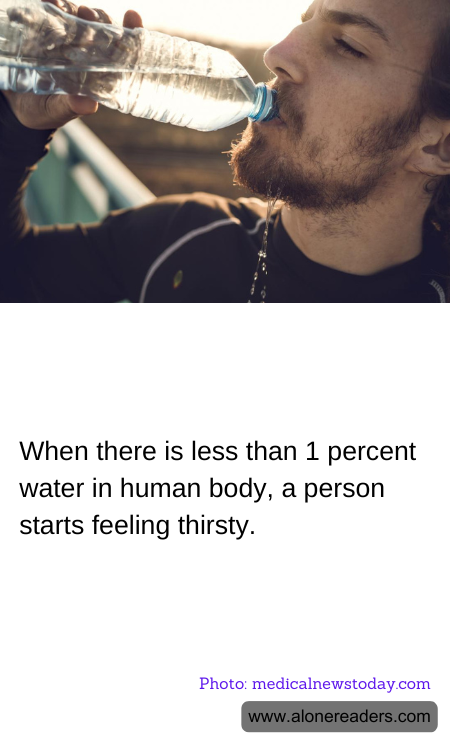
The sensation of thirst is a fundamental biological response that signals the body's need for hydration. It is a mechanism that has evolved to ensure that we maintain an adequate balance of fluids, which is crucial for the proper functioning of our bodies. Interestingly, the human body is incredibly sensitive to changes in its water content. When there is less than 1 percent decrease in the body's water levels, a person begins to feel thirsty. This seemingly small drop can trigger a powerful urge to drink, highlighting the importance of water in our daily lives.
Water is essential for numerous bodily functions, including regulating temperature, maintaining cellular health, and facilitating digestion. It acts as a solvent for minerals, vitamins, amino acids, glucose, and other nutrients, allowing them to be absorbed and utilized by the body. Moreover, water is vital for the removal of waste products through urine and sweat. Given these critical roles, even a slight deficiency can disrupt normal physiological processes, prompting the body to signal for more water intake.
The hypothalamus, a small region in the brain, plays a central role in detecting changes in the body's hydration status. It monitors the concentration of solutes in the blood and the volume of blood circulating through the body. When the hypothalamus senses a decrease in blood volume or an increase in solute concentration, it triggers the sensation of thirst. This response is a protective mechanism designed to prevent dehydration, which can have severe consequences if left unaddressed.
Dehydration can lead to a range of symptoms, from mild discomfort to serious health issues. Early signs include dry mouth, fatigue, and dizziness. If dehydration progresses, it can result in more severe complications such as heat exhaustion, kidney problems, and even cognitive impairments. Therefore, responding to the body's thirst signals promptly is crucial for maintaining overall health and well-being.
In our modern world, where beverages of all kinds are readily available, it is easy to overlook the importance of simply drinking water. Many people may reach for sugary drinks or caffeinated beverages, which can sometimes exacerbate dehydration rather than alleviate it. It is important to prioritize water as the primary source of hydration. Drinking water regularly throughout the day, even before the sensation of thirst arises, can help maintain optimal hydration levels.
In conclusion, the body's ability to detect even a slight decrease in water levels and trigger thirst is a testament to the vital role of hydration in maintaining health. By understanding and responding to these signals, we can ensure that our bodies function efficiently and effectively. Encouraging regular water consumption and recognizing the early signs of dehydration can help individuals of all ages stay healthy and hydrated, supporting their overall quality of life.