More About This Card
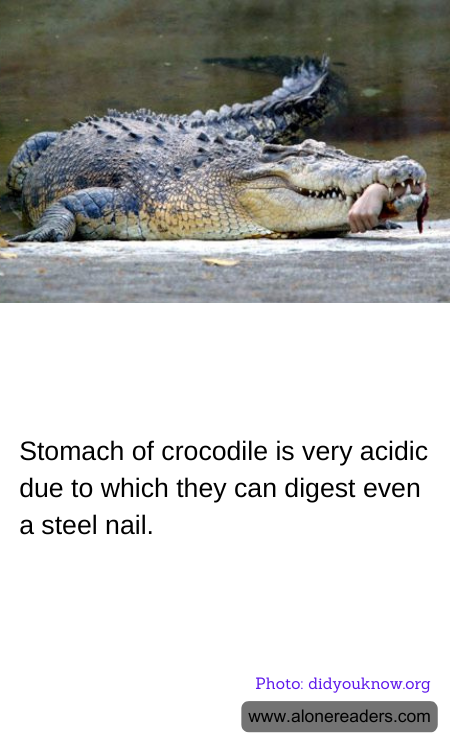
Crocodiles are fascinating creatures that have roamed the Earth for millions of years, and one of their most intriguing features is their incredibly acidic stomachs. This unique adaptation allows them to digest a wide variety of materials, including bones, shells, and even metal objects like steel nails. The acidity of a crocodile's stomach is a key factor in their ability to thrive in diverse environments and maintain their status as apex predators.
The stomach of a crocodile is highly acidic, with a pH level that can drop as low as 1.0. This level of acidity is comparable to that of battery acid and is one of the most potent digestive systems found in the animal kingdom. The primary reason for this extreme acidity is the presence of hydrochloric acid, which is secreted in large quantities by the stomach lining. This acid is so powerful that it can break down tough materials that would be indigestible for most other animals.
The ability to digest such a wide range of materials provides crocodiles with a significant survival advantage. In the wild, these reptiles often consume their prey whole, including bones and other hard parts that would pose a challenge for less equipped digestive systems. The acidic environment in their stomachs ensures that these materials are broken down efficiently, allowing crocodiles to extract maximum nutrients from their meals. This capability is particularly beneficial in environments where food can be scarce, as it enables crocodiles to make the most of every opportunity to feed.
Interestingly, the ability of crocodiles to digest metal objects like steel nails is not just a testament to the strength of their stomach acid but also highlights their opportunistic feeding habits. In their natural habitats, crocodiles may inadvertently ingest foreign objects while consuming prey or scavenging. Their digestive system's robustness ensures that these objects do not cause harm and are eventually broken down and passed through their system.
This remarkable digestive ability is not only a testament to the evolutionary success of crocodiles but also serves as a reminder of the incredible diversity of adaptations found in the animal kingdom. While the idea of a creature digesting metal might seem like something out of a science fiction story, it is a real and fascinating aspect of the crocodile's biology.
For those interested in the natural world, the crocodile's acidic stomach offers a glimpse into the complex and often surprising ways in which animals have adapted to their environments. It underscores the importance of understanding and preserving these ancient creatures, which continue to captivate and inspire people of all ages with their resilience and adaptability.