More About This Card
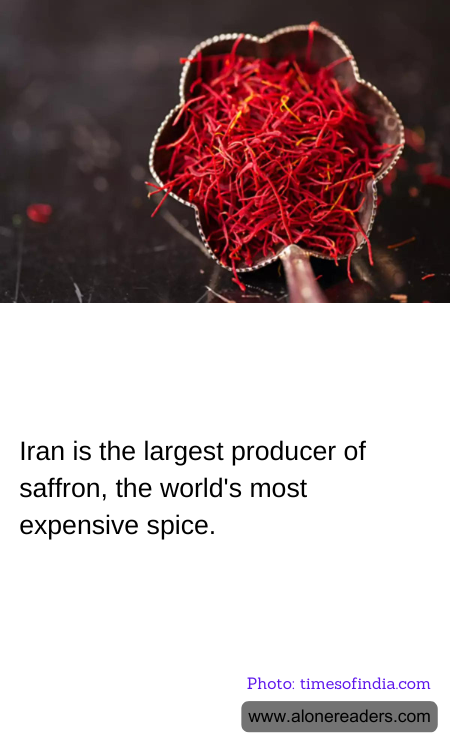
Iran, a country renowned for its rich cultural heritage and diverse landscapes, holds the prestigious title of being the largest producer of saffron, the world's most expensive spice. This vibrant red spice, often referred to as "red gold," is derived from the delicate stigmas of the Crocus sativus flower. It is prized not only for its unique flavor and aroma but also for its vivid color, which can transform any dish into a culinary masterpiece.
The cultivation of saffron in Iran dates back over three millennia, with the country producing approximately 90% of the world's supply. The provinces of Khorasan, particularly South Khorasan and Razavi Khorasan, are the heartlands of saffron production. The region's arid climate, with its hot summers and cold winters, provides the perfect conditions for growing this precious spice. The process of harvesting saffron is labor-intensive and meticulous, as each flower blooms for only a short period in autumn. Skilled workers handpick the flowers at dawn to preserve the delicate stigmas, which are then carefully dried to produce the saffron threads.
Saffron's high cost is attributed to the laborious harvesting process and the sheer volume of flowers required to produce a small amount of the spice. It takes around 75,000 flowers to produce just one pound of saffron, making it more valuable by weight than gold. Despite its price, saffron is a staple in Persian cuisine, where it is used to flavor and color a variety of dishes, from the fragrant rice dish known as "chelow" to the sweet and aromatic "saffron ice cream."
Beyond its culinary uses, saffron has been valued for its medicinal properties for centuries. It is believed to have numerous health benefits, including antioxidant, anti-inflammatory, and mood-enhancing effects. Traditional Persian medicine often incorporates saffron as a remedy for various ailments, and modern scientific studies continue to explore its potential therapeutic applications.
Iran's dominance in the saffron market is not only a testament to its agricultural prowess but also a reflection of its cultural heritage. The spice is deeply embedded in Iranian traditions and festivities, symbolizing joy, prosperity, and hospitality. Efforts are continually made to protect and promote Iranian saffron on the global stage, ensuring that this ancient tradition continues to thrive in the modern world.
In conclusion, Iran's role as the largest producer of saffron is a source of national pride and economic significance. The country's dedication to preserving the quality and authenticity of its saffron ensures that this exquisite spice remains a cherished ingredient in kitchens around the world. As the demand for saffron continues to grow, Iran's commitment to sustainable and ethical production practices will be crucial in maintaining its position as the leader in the saffron industry.