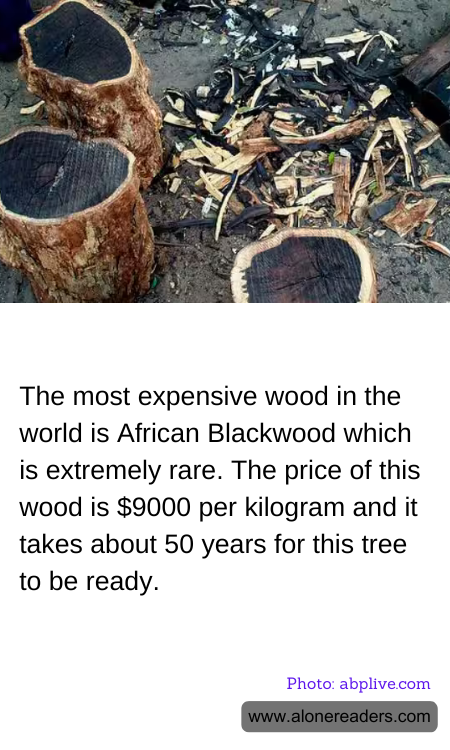
African Blackwood, scientifically known as Dalbergia melanoxylon, stands as a testament to nature's ability to produce materials of unparalleled beauty and value. This remarkable wood, often referred to as "Mpingo" in its native regions, is renowned for its deep, rich color and exceptional density. Its rarity and the painstaking process required to cultivate and harvest it have made African Blackwood the most expensive wood in the world, commanding prices as high as $9,000 per kilogram.
The allure of African Blackwood lies not only in its aesthetic appeal but also in its unique physical properties. The wood is incredibly dense and hard, making it ideal for crafting fine musical instruments such as clarinets, oboes, and bagpipes. Its ability to produce a resonant, warm tone is unmatched, making it a favorite among musicians and instrument makers. Additionally, its fine grain and smooth finish make it a sought-after material for luxury furniture and intricate carvings.
However, the journey from seedling to a mature African Blackwood tree is a long and arduous one. It takes approximately 50 years for these trees to reach a size suitable for harvesting. This lengthy growth period, combined with the tree's slow regeneration rate, contributes to its scarcity. The trees are predominantly found in the dry savannas of East Africa, particularly in Tanzania and Mozambique, where they face threats from overharvesting and habitat loss.
Efforts to conserve African Blackwood are crucial to ensuring its survival. Sustainable harvesting practices and reforestation initiatives are being implemented to protect this precious resource. Organizations are working with local communities to promote the planting of new trees and to educate about the importance of preserving existing ones. These efforts aim to balance the demand for this exquisite wood with the need to maintain ecological stability.
The high price of African Blackwood reflects not only its rarity but also the craftsmanship and skill required to transform it into finished products. Artisans who work with this wood must possess a deep understanding of its characteristics to unlock its full potential. The result is a range of products that are not only functional but also works of art in their own right.
In conclusion, African Blackwood's status as the most expensive wood in the world is a testament to its unique qualities and the challenges associated with its cultivation and harvest. As we continue to appreciate its beauty and utility, it is imperative that we also commit to its conservation, ensuring that future generations can enjoy the splendor of this extraordinary wood.
