More About This Card
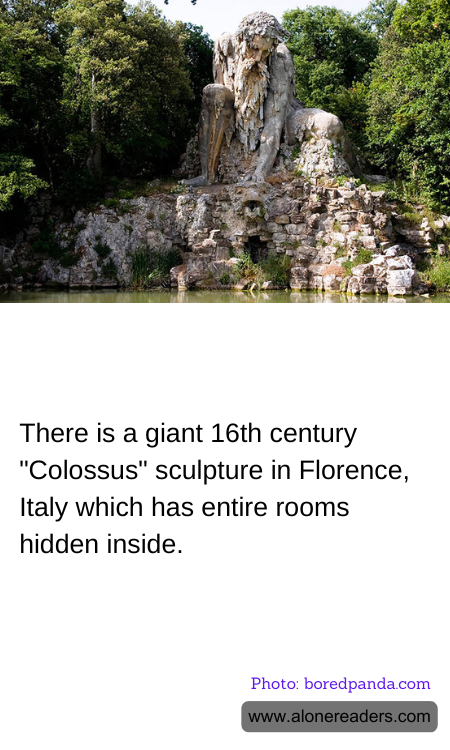
Nestled in the lush landscape of Florence, Italy, lies a marvel of Renaissance ingenuity and artistry that has intrigued visitors for centuries. Known as the "Colossus of the Apennines," this monumental sculpture is a testament to the grandeur and creativity of the 16th century. Created by the renowned sculptor Giambologna, the Colossus stands as a guardian of the Villa di Pratolino, a historic estate that once belonged to the Medici family. This towering figure, half-man and half-mountain, is not only a striking piece of art but also a fascinating architectural wonder with hidden secrets waiting to be discovered.
The Colossus, standing at an impressive 35 feet tall, is a depiction of a mountain god, symbolizing the rugged Apennine Mountains that stretch across Italy. Its exterior is a blend of stone and brick, meticulously crafted to convey both strength and serenity. However, what truly sets this sculpture apart is its ingenious design that incorporates entire rooms within its massive form. These hidden chambers were not merely for show; they served practical purposes, adding layers of intrigue to the already captivating structure.
Inside the Colossus, visitors can find a series of rooms that once played host to various functions. The head of the sculpture contains a small chamber that was likely used as a lookout point, offering panoramic views of the surrounding landscape. The torso houses a larger room, which was possibly used for gatherings or as a retreat for contemplation. These hidden spaces are connected by a series of staircases and passageways, allowing for exploration and discovery. The presence of these rooms highlights the dual nature of the Colossus as both a work of art and a functional piece of architecture.
The Colossus of the Apennines is more than just a sculpture; it is a symbol of the Renaissance spirit, where art and science converged to create wonders that continue to captivate the imagination. Its hidden rooms add an element of mystery and allure, inviting visitors to ponder the ingenuity of its creators. Today, the Colossus stands as a testament to the enduring legacy of the Renaissance, a period that celebrated human achievement and the pursuit of knowledge.
For those fortunate enough to visit Florence, the Colossus offers a unique glimpse into the past, where art was not only meant to be seen but also experienced. As visitors wander through its hidden chambers, they are transported back in time, walking in the footsteps of those who once marveled at its grandeur. The Colossus of the Apennines remains a cherished treasure of Florence, a reminder of the city's rich cultural heritage and its enduring commitment to the arts.