More About This Card
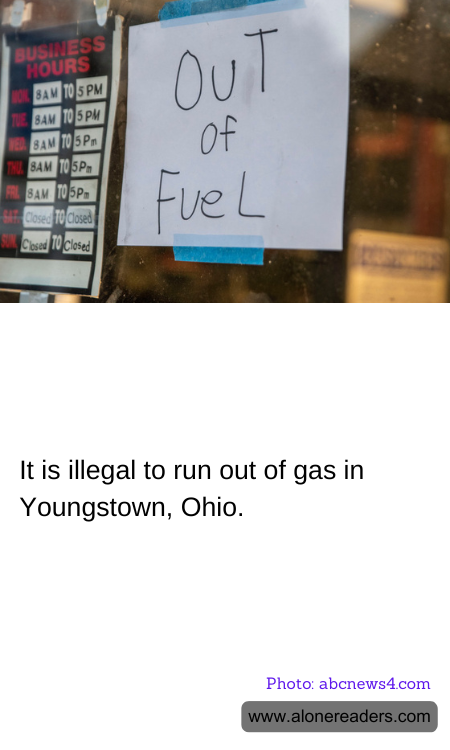
In the realm of unusual laws, Youngstown, Ohio, stands out with a regulation that might surprise many: it is illegal to run out of gas within the city limits. This peculiar ordinance, while seemingly trivial, underscores the importance of maintaining road safety and ensuring the smooth flow of traffic in this bustling Ohio city.
The law is rooted in practicality. Running out of gas can lead to vehicles stalling in inconvenient or hazardous locations, potentially causing traffic disruptions or accidents. By making it illegal to run out of gas, Youngstown aims to encourage drivers to be more mindful of their fuel levels and plan their journeys accordingly. This proactive approach not only helps in maintaining traffic order but also reduces the likelihood of emergency situations that could arise from stranded vehicles.
While the law might seem strict, it serves as a reminder of the responsibilities that come with driving. Ensuring that a vehicle is adequately fueled is a basic yet crucial aspect of vehicle maintenance. It reflects a broader commitment to road safety and consideration for fellow drivers. In a city like Youngstown, where the roads are shared by thousands of commuters daily, such measures can significantly enhance the overall driving experience.
For residents and visitors alike, this law highlights the importance of preparedness. It encourages drivers to regularly check their fuel gauges and plan refueling stops as part of their travel routine. This habit not only helps in complying with local regulations but also fosters a culture of safety and responsibility on the road.
Despite its seemingly odd nature, the law is not unique to Youngstown. Several other cities across the United States have similar regulations, each tailored to address specific local concerns. These laws, while often overlooked, play a crucial role in promoting safety and efficiency in urban environments.
In conclusion, while the idea of it being illegal to run out of gas in Youngstown might initially raise eyebrows, it serves a practical purpose. It is a reminder of the importance of vehicle maintenance and road safety, encouraging drivers to be vigilant and responsible. As with many unusual laws, it reflects the unique character of the city and its commitment to ensuring a safe and orderly environment for all its residents and visitors.