More About This Card
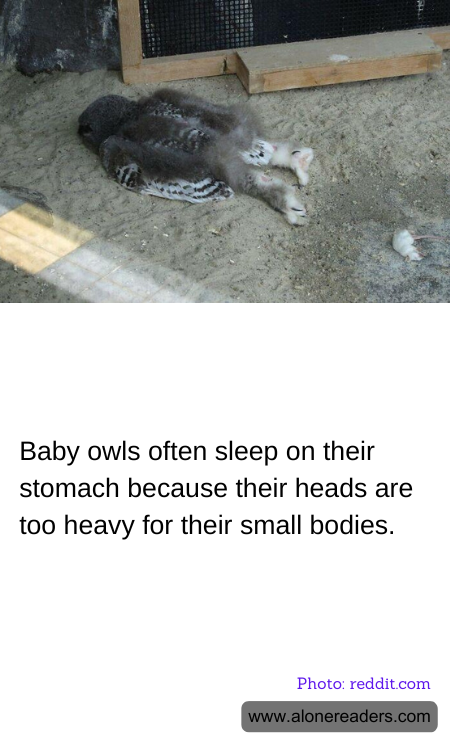
In the enchanting world of wildlife, few creatures capture the imagination quite like the owl. Known for their wisdom and mysterious allure, owls have long been subjects of fascination. Yet, one of the most endearing and lesser-known aspects of these nocturnal birds is how their young, or owlets, sleep. Unlike many other birds, baby owls often sleep on their stomachs, a behavior that is both adorable and practical.
The reason behind this unusual sleeping posture lies in the anatomy of these young birds. Owlets are born with disproportionately large heads compared to their bodies. This is because their brains develop rapidly to prepare them for the complex tasks of hunting and navigating their environment. However, this rapid head growth presents a unique challenge: their neck muscles are not yet strong enough to support the weight of their heads. As a result, when it's time to rest, these young owls find it more comfortable and stable to lie on their stomachs, with their heads turned to the side, much like a human child might sleep.
This sleeping position is not only practical but also crucial for the safety and development of the owlets. By lying on their stomachs, they reduce the risk of falling from their nests, which are often high up in trees or on cliff edges. This position also allows them to conserve energy, which is vital for their growth and development. As they mature, their neck muscles strengthen, and they eventually adopt the upright sleeping posture typical of adult owls.
Observing baby owls in this vulnerable state offers a rare glimpse into the early stages of their life cycle. It reminds us of the delicate balance of nature and the adaptations that species undergo to survive and thrive. For wildlife enthusiasts and casual observers alike, the sight of a fluffy owlet sprawled out on its belly, eyes closed in peaceful slumber, is a heartwarming reminder of the innocence and resilience of nature.
The behavior of owlets also highlights the importance of understanding and protecting their habitats. As human activities continue to encroach on natural environments, ensuring that owls and other wildlife have safe places to live and grow becomes increasingly critical. Conservation efforts play a vital role in preserving these habitats, allowing future generations to witness the charming sight of baby owls napping in their unique way.
In conclusion, the sight of baby owls sleeping on their stomachs is more than just an adorable quirk; it is a testament to the remarkable adaptations of these creatures. As they grow and develop, these young owls teach us about the wonders of nature and the importance of preserving the delicate ecosystems they call home. Whether you're an avid birdwatcher or simply someone who appreciates the beauty of wildlife, the story of the owlet's slumber is sure to bring a smile to your face and a sense of wonder to your heart.