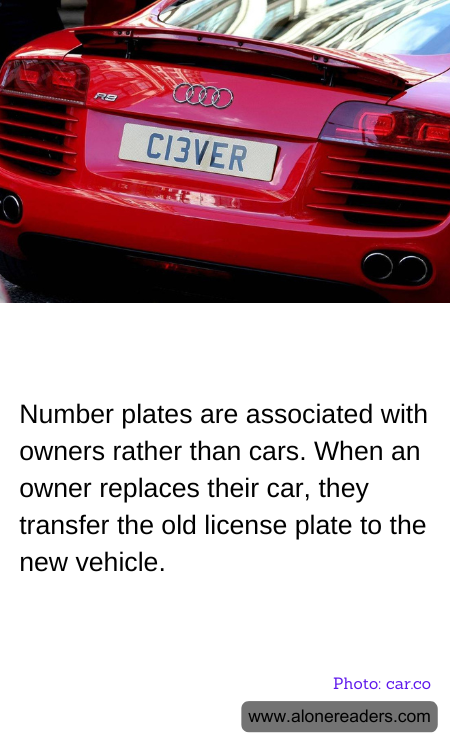
In many parts of the world, the concept of associating number plates with vehicle owners rather than the vehicles themselves is gaining traction. This approach offers a fresh perspective on vehicle registration, emphasizing the continuity of ownership over the lifespan of multiple vehicles. By allowing owners to transfer their existing license plates to new vehicles, this system introduces a range of benefits that appeal to both practical and sentimental aspects of vehicle ownership.
One of the primary advantages of associating number plates with owners is the simplification of administrative processes. When an owner decides to replace their car, the transfer of the license plate to the new vehicle becomes a straightforward procedure. This eliminates the need for re-registration and the issuance of a new plate, thereby reducing paperwork and administrative costs. For vehicle owners, this means a more seamless transition when upgrading or changing their vehicle, as they can retain their familiar number plate without the hassle of navigating complex bureaucratic processes.
Moreover, this system fosters a sense of personal connection and identity. Many vehicle owners develop an attachment to their number plates, especially if they have customized or personalized them. By allowing these plates to move with the owner, the system acknowledges and preserves this personal connection. It transforms the number plate into a symbol of the owner's journey, reflecting their history and experiences across different vehicles. This continuity can be particularly meaningful for individuals who view their number plates as an extension of their personal brand or identity.
From a security perspective, associating number plates with owners can enhance accountability and traceability. In the event of a vehicle-related incident, authorities can quickly identify the responsible party by tracing the number plate back to the owner, regardless of which vehicle it is currently attached to. This can streamline investigations and improve the efficiency of law enforcement efforts, as the focus shifts from tracking vehicles to tracking individuals.
However, this system is not without its challenges. It requires robust databases and efficient tracking mechanisms to ensure that number plates are accurately linked to their respective owners. Additionally, there may be concerns about privacy and data protection, as the system necessitates the storage and management of personal information. To address these issues, it is crucial to implement stringent data security measures and transparent policies that protect the rights of vehicle owners.
In conclusion, associating number plates with owners rather than cars offers a modern approach to vehicle registration that aligns with contemporary needs and preferences. By simplifying administrative processes, fostering personal connections, and enhancing security, this system presents a compelling case for adoption. As more regions consider this approach, it is essential to balance the benefits with the necessary safeguards to ensure a smooth and secure transition for all stakeholders involved.
