More About This Card
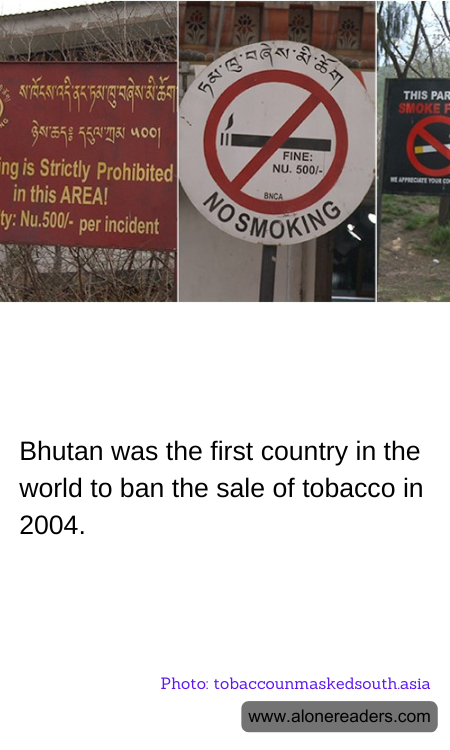
In 2004, Bhutan made a groundbreaking decision that set it apart on the global stage by becoming the first country in the world to ban the sale of tobacco. This bold move was part of a broader initiative to promote public health and preserve the nation's cultural values, which emphasize well-being and harmony with nature. The decision was not only a reflection of Bhutan's commitment to the health of its citizens but also a testament to its unique approach to governance, which prioritizes Gross National Happiness over Gross Domestic Product.
The ban on tobacco sales was implemented as part of the Tobacco Control Act, which aimed to reduce the consumption of tobacco products and minimize the health risks associated with smoking. The legislation prohibited the sale, distribution, and production of tobacco products within the country. However, it allowed individuals to import limited quantities for personal use, provided they paid a hefty import duty. This approach was designed to discourage tobacco use while respecting personal freedom to some extent.
Bhutan's decision to ban tobacco sales was influenced by several factors. The country's Buddhist values, which emphasize the sanctity of life and the importance of maintaining a healthy body and mind, played a significant role. Additionally, Bhutan's government was concerned about the rising health care costs associated with treating tobacco-related illnesses. By reducing tobacco consumption, the government hoped to alleviate the burden on its healthcare system and improve the overall quality of life for its citizens.
Despite the noble intentions behind the ban, its implementation has faced challenges. The prohibition led to the emergence of a black market for tobacco products, as some individuals sought to circumvent the restrictions. This illicit trade has posed enforcement challenges for the Bhutanese authorities, who have had to balance the need for regulation with the realities of demand and supply.
Moreover, the ban has sparked debates about personal freedom and the role of government in regulating individual behavior. Critics argue that such prohibitions infringe on personal liberties and may not be the most effective way to address public health concerns. Proponents, however, maintain that the ban is a necessary measure to protect public health and uphold the country's cultural values.
Over the years, Bhutan's tobacco ban has garnered international attention and has been both praised and critiqued by public health experts and policymakers worldwide. It serves as a case study in the complexities of implementing public health policies that intersect with cultural, economic, and individual rights considerations.
In conclusion, Bhutan's pioneering decision to ban the sale of tobacco in 2004 reflects its commitment to public health and cultural preservation. While the ban has faced challenges, it underscores the country's innovative approach to governance and its willingness to prioritize the well-being of its citizens. As the world continues to grapple with the health impacts of tobacco, Bhutan's experience offers valuable insights into the potential and pitfalls of such bold public health initiatives.