More About This Card
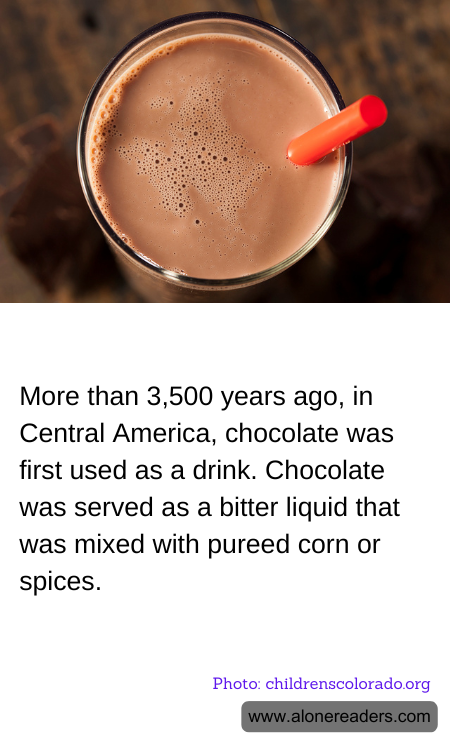
More than 3,500 years ago, in the lush and vibrant regions of Central America, a remarkable discovery was made that would eventually captivate the world: chocolate. However, the chocolate of ancient times was quite different from the sweet treat we know today. It was primarily consumed as a drink, a bitter concoction that was both revered and cherished by the civilizations that first harnessed its potential.
The origins of chocolate can be traced back to the ancient Olmec civilization, one of the earliest known Mesoamerican cultures. They were among the first to cultivate the cacao plant, whose seeds, or beans, were used to create a unique beverage. This drink was not the creamy, sugary delight we are familiar with but rather a robust, bitter liquid. The Olmecs, and later the Maya and Aztecs, would grind the cacao beans into a paste, mix it with water, and often enhance it with ingredients like pureed corn or an array of spices. This concoction was known as "xocolatl," a term that is believed to mean "bitter water."
For these ancient cultures, chocolate was more than just a drink; it was a symbol of wealth and power, often associated with the divine. The Maya, for instance, considered cacao a gift from the gods and used it in various rituals and ceremonies. It was a luxury reserved for the elite, warriors, and priests, and it played a significant role in their social and religious life. The Aztecs, who followed the Maya, also held chocolate in high esteem. They believed it had energizing and aphrodisiac properties, and it was often consumed by their emperor, Montezuma, who reportedly drank it in large quantities.
The preparation of this ancient chocolate drink was an art in itself. The cacao beans were fermented, dried, roasted, and then ground into a paste. This paste was mixed with water and sometimes flavored with chili peppers, vanilla, or annatto, creating a complex and invigorating beverage. The addition of pureed corn not only thickened the drink but also added a subtle sweetness, balancing the natural bitterness of the cacao.
As time passed, the tradition of drinking chocolate spread throughout Central America and eventually reached Europe in the 16th century, following the Spanish conquest. The Europeans, unfamiliar with the bitter taste, began to sweeten the drink with sugar and milk, transforming it into the hot chocolate we enjoy today. This adaptation marked the beginning of chocolate's evolution into the beloved confectionery it has become.
The story of chocolate's origins is a testament to the ingenuity and cultural richness of the ancient civilizations of Central America. Their innovative use of cacao laid the foundation for a global phenomenon that continues to delight people of all ages. Today, as we savor a piece of chocolate or sip a cup of hot cocoa, we are partaking in a tradition that spans millennia, a tradition that began with a simple, yet profound, bitter drink.