More About This Card
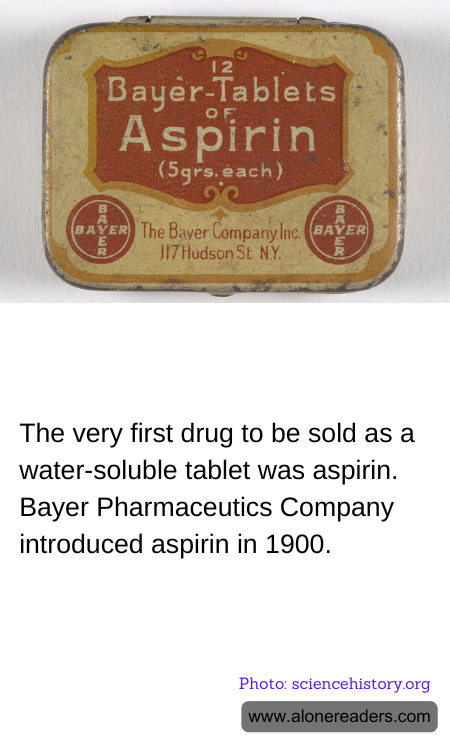
In the annals of pharmaceutical history, few drugs have had as profound an impact as aspirin. Introduced by Bayer Pharmaceutics Company in 1900, aspirin was the first drug to be sold as a water-soluble tablet, marking a significant milestone in the evolution of medicine. This innovation not only revolutionized the way medications were consumed but also set the stage for the development of modern pharmaceuticals.
Aspirin, chemically known as acetylsalicylic acid, was derived from salicin, a compound found in willow bark and known for its pain-relieving properties since ancient times. However, it was not until the late 19th century that Felix Hoffmann, a chemist at Bayer, successfully synthesized a stable form of acetylsalicylic acid. This breakthrough allowed Bayer to introduce aspirin as a convenient and effective remedy for pain, fever, and inflammation.
The introduction of aspirin in a water-soluble tablet form was a game-changer. Prior to this, medications were often administered in less palatable forms, such as powders or tinctures, which could be difficult to dose accurately and unpleasant to consume. The tablet form offered a precise dosage, ease of use, and improved patient compliance. This innovation made aspirin accessible to a wider audience, transforming it into a household staple for managing common ailments.
Aspirin's versatility and efficacy quickly earned it a place in medicine cabinets around the world. It became a go-to remedy for headaches, muscle pain, and even more serious conditions like rheumatic fever. Over the years, research has expanded its uses, revealing its potential in reducing the risk of heart attacks and strokes, and even its role in cancer prevention. This adaptability has ensured aspirin's continued relevance in modern medicine.
The success of aspirin paved the way for the development of other water-soluble medications, influencing the pharmaceutical industry's approach to drug formulation. It demonstrated the importance of patient-friendly delivery methods, encouraging further innovations that have led to the diverse range of medications available today. The legacy of aspirin is not just in its therapeutic benefits but also in its role as a pioneer in pharmaceutical technology.
Today, more than a century after its introduction, aspirin remains one of the most widely used drugs globally. Its enduring popularity is a testament to its effectiveness and the foresight of those who recognized the potential of a simple, soluble tablet. As we continue to explore new frontiers in medicine, the story of aspirin serves as a reminder of how a single innovation can transform healthcare and improve lives across generations.