More About This Card
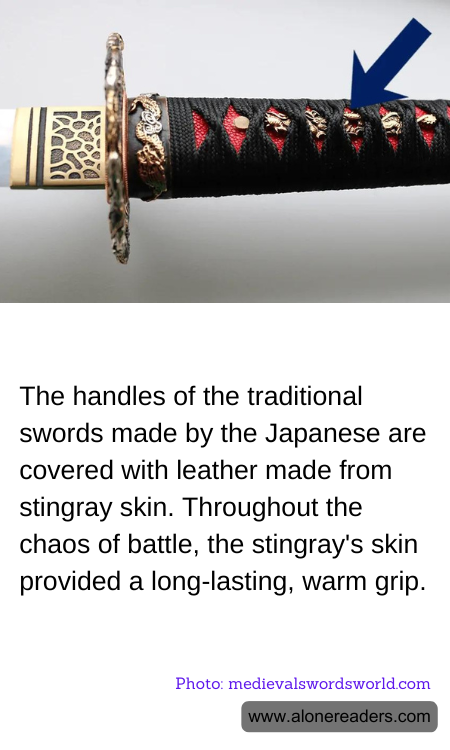
In the rich tapestry of Japanese history, the samurai sword, or katana, stands as a symbol of honor, precision, and artistry. Among the many fascinating aspects of these traditional weapons is the use of stingray skin, known as samegawa, to cover the handles. This unique choice of material is not merely an aesthetic decision but a functional one, deeply rooted in the practical needs of the samurai warriors.
The stingray skin's texture is characterized by its distinctive, pebble-like surface, which provides an exceptional grip. This was crucial for samurai, who needed to maintain control of their swords during the chaos of battle. The natural roughness of the stingray skin ensured that the handle remained secure in the warrior's hands, even in the most intense combat situations. Unlike other materials that might become slippery with sweat or rain, samegawa offered a reliable, non-slip surface, enhancing the warrior's ability to wield their weapon with precision and confidence.
Moreover, the durability of stingray skin made it an ideal choice for sword handles. Known for its resilience, the skin could withstand the rigors of battle without deteriorating. This longevity meant that the swords could be passed down through generations, with the samegawa often remaining intact even as other parts of the sword might require repair or replacement. The enduring nature of stingray skin contributed to the katana's reputation as a weapon of both beauty and strength, capable of withstanding the test of time.
In addition to its practical benefits, the use of stingray skin also held cultural significance. The samurai class placed great importance on the aesthetics of their weapons, and the unique appearance of samegawa added to the katana's visual appeal. The skin was often bleached to a pale white, providing a striking contrast to the dark lacquered wood of the handle and the polished steel of the blade. This attention to detail reflected the samurai's dedication to their craft and their belief in the sword as an extension of their own spirit.
Today, the tradition of using stingray skin in sword-making continues, preserving a link to the past while honoring the craftsmanship and ingenuity of the samurai. For collectors and martial artists alike, the samegawa-covered handle remains a testament to the enduring legacy of Japanese swordsmanship. As a material that combines functionality with beauty, stingray skin continues to play a vital role in the art of the katana, ensuring that these legendary weapons remain as formidable and revered as they were centuries ago.