More About This Card
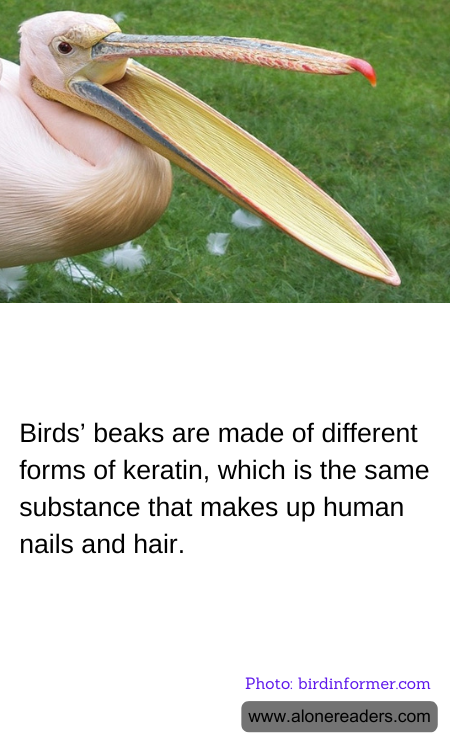
Birds are among the most fascinating creatures on our planet, captivating us with their vibrant colors, melodic songs, and graceful flights. One of the most intriguing aspects of birds is their beaks, which come in a variety of shapes and sizes, each adapted to the specific needs of the bird. What many people might not realize is that these beaks are made of keratin, the same protein that forms human nails and hair.
Keratin is a fibrous protein that provides strength and resilience. In humans, it forms the protective outer layer of our skin, as well as our nails and hair. In birds, keratin is the primary component of their beaks, giving them the durability needed to perform a wide range of functions. From cracking open seeds and nuts to catching fish or probing for insects, a bird's beak is a versatile tool that is essential for its survival.
The diversity in beak shapes among bird species is a testament to the adaptability of keratin. For instance, the long, slender beak of a hummingbird is perfectly designed for sipping nectar from flowers, while the strong, hooked beak of an eagle is ideal for tearing flesh. Each beak shape is a result of evolutionary adaptations that allow birds to exploit different ecological niches. This diversity is not only a marvel of nature but also a reminder of the intricate connections between form and function in the animal kingdom.
The keratin in bird beaks is continuously growing, much like human nails. This growth is necessary because beaks are subjected to constant wear and tear. Birds maintain their beaks by rubbing them against hard surfaces, a behavior known as "feaking," which helps to keep them sharp and clean. This natural maintenance process ensures that the beak remains an effective tool throughout the bird's life.
Understanding the composition and function of bird beaks can also provide insights into broader ecological and evolutionary processes. For example, changes in beak size and shape can be indicators of environmental shifts or adaptations to new food sources. This makes the study of bird beaks not only fascinating from a biological perspective but also important for conservation efforts.
In conclusion, the keratin-based structure of bird beaks is a remarkable example of nature's ingenuity. It highlights the shared biological heritage between humans and birds, while also showcasing the incredible diversity and adaptability of life on Earth. Whether you're a budding ornithologist or simply a nature enthusiast, appreciating the complexity and functionality of bird beaks can deepen your understanding of the natural world and the delicate balance that sustains it.