More About This Card
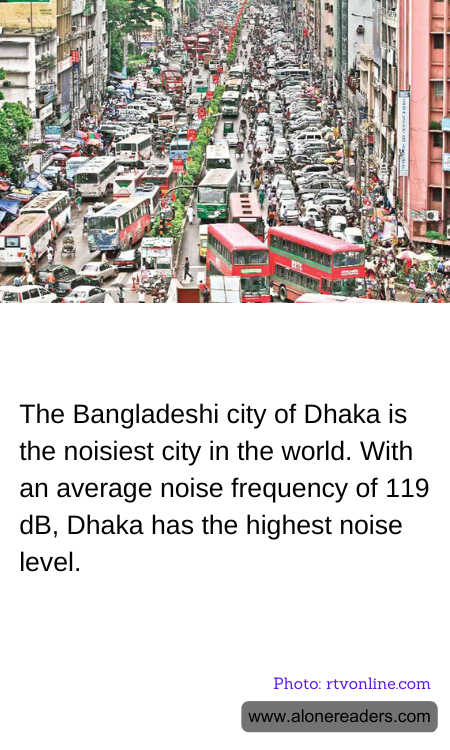
In the bustling heart of Bangladesh lies Dhaka, a city renowned for its vibrant culture, rich history, and unfortunately, its overwhelming noise levels. Recent studies have crowned Dhaka as the noisiest city in the world, with an average noise frequency reaching a staggering 119 decibels (dB). This level of noise is not just a minor inconvenience; it poses significant challenges to the health and well-being of its residents.
The cacophony that defines Dhaka's soundscape is a result of several factors. The city, home to over 21 million people, is a hub of constant activity. The relentless honking of vehicles, the clamor of construction sites, and the general hustle and bustle of daily life contribute to the incessant noise. The traffic congestion, a common sight in Dhaka, exacerbates the situation, as drivers frequently use their horns in an attempt to navigate the crowded streets. This constant barrage of sound creates an environment where peace and quiet are rare commodities.
The implications of such high noise levels are profound. Prolonged exposure to noise above 85 dB can lead to hearing loss, and at 119 dB, the risk is significantly heightened. Beyond hearing damage, the noise pollution in Dhaka has been linked to increased stress levels, sleep disturbances, and even cardiovascular issues among its residents. The World Health Organization has long warned about the adverse effects of noise pollution, emphasizing the need for cities to address this growing concern.
Efforts to mitigate the noise in Dhaka have been challenging. The rapid urbanization and population growth have outpaced infrastructure development, making it difficult to implement effective noise control measures. However, there is hope on the horizon. Local authorities and environmental organizations are increasingly aware of the need to tackle this issue. Initiatives such as promoting the use of quieter vehicles, enforcing stricter regulations on construction noise, and raising public awareness about the dangers of noise pollution are steps in the right direction.
For the people of Dhaka, finding respite from the noise is a daily struggle. Many seek solace in the city's parks and green spaces, which offer a temporary escape from the urban din. Others turn to noise-canceling devices or soundproofing their homes to create personal sanctuaries of silence. Despite these efforts, the need for comprehensive solutions remains urgent.
Dhaka's status as the noisiest city in the world serves as a stark reminder of the challenges faced by rapidly growing urban centers. As cities continue to expand, balancing development with the quality of life becomes increasingly crucial. Addressing noise pollution is not just about reducing decibels; it's about creating healthier, more livable environments for all. For Dhaka, the journey towards a quieter future is just beginning, but with concerted efforts, it is a goal that is within reach.