More About This Card
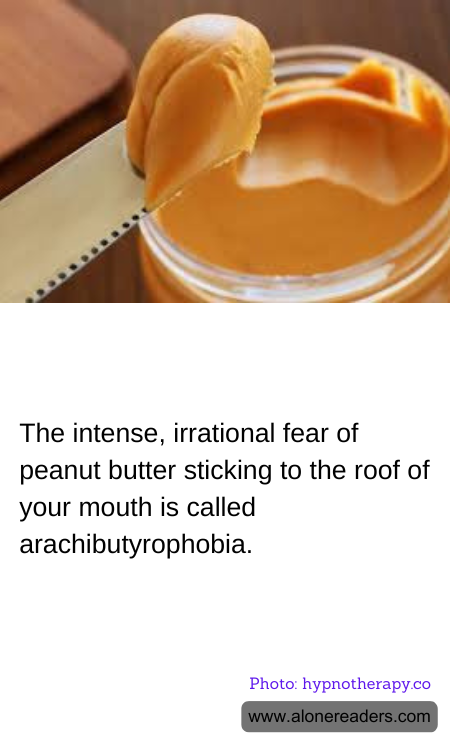
Arachibutyrophobia, a term that might sound like a tongue twister, refers to the intense and irrational fear of peanut butter sticking to the roof of one's mouth. While it may seem like a trivial concern to some, for those who experience this phobia, it can be a source of genuine anxiety and discomfort. This peculiar fear is a subset of more generalized phobias related to food textures and the sensation of food in the mouth, which can affect a person's eating habits and overall relationship with food.
The origins of arachibutyrophobia are not entirely understood, but like many phobias, it may stem from a combination of genetic, environmental, and psychological factors. Some individuals might develop this fear after a particularly unpleasant experience with peanut butter, such as choking or gagging. Others might have a more generalized anxiety disorder that manifests in specific fears, including this one. The fear can also be exacerbated by the sticky, thick texture of peanut butter, which can create a sensation of being unable to swallow or breathe properly.
For those who suffer from arachibutyrophobia, the fear can lead to avoidance behaviors. They might steer clear of peanut butter entirely or only consume it in small quantities and with great caution. This can be particularly challenging given the widespread popularity and use of peanut butter in various foods and snacks. The fear can also extend to other sticky foods, making mealtime a source of stress rather than enjoyment.
Addressing arachibutyrophobia, like other phobias, often involves a combination of therapeutic approaches. Cognitive-behavioral therapy (CBT) can be particularly effective, helping individuals to reframe their thoughts and gradually desensitize themselves to the feared object—in this case, peanut butter. Exposure therapy, a component of CBT, might involve slowly introducing small amounts of peanut butter in a controlled and supportive environment, allowing the individual to build tolerance and reduce anxiety over time.
While arachibutyrophobia might seem like an unusual or even humorous fear to some, it's important to approach it with empathy and understanding. Phobias, regardless of their nature, can significantly impact a person's quality of life. By acknowledging and addressing these fears, individuals can work towards overcoming them and enjoying a more relaxed and fulfilling relationship with food.
In conclusion, arachibutyrophobia is a reminder of the diverse and sometimes surprising ways in which anxiety can manifest. It highlights the importance of understanding and compassion in addressing fears, no matter how small or irrational they may seem. For those who experience this phobia, seeking support and employing therapeutic strategies can pave the way to overcoming their fear and enjoying the simple pleasure of a peanut butter sandwich without worry.