More About This Card
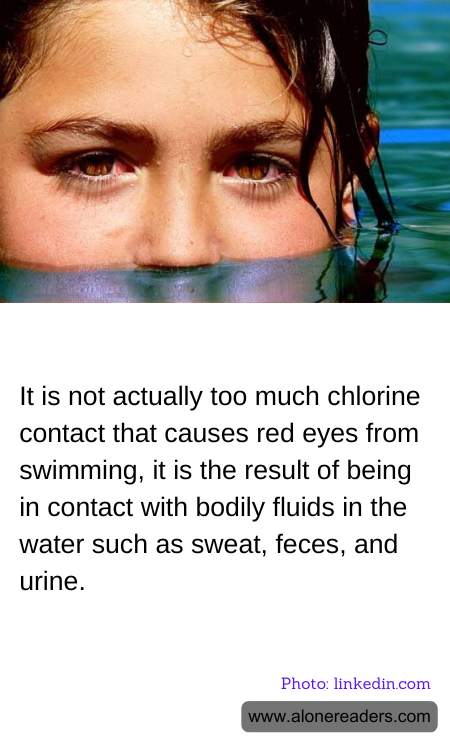
Many of us have experienced the familiar sting of red eyes after a day at the pool, often attributing it to an overabundance of chlorine. However, the real culprit behind this discomfort is not the chlorine itself but rather its interaction with various bodily fluids present in the water, such as sweat, feces, and urine.
Chlorine is commonly used in pools to kill harmful bacteria and maintain a safe swimming environment. When chlorine is added to water, it forms hypochlorous acid, which is effective at neutralizing pathogens. However, when chlorine encounters nitrogen-rich compounds found in bodily fluids, it forms chloramines. These chloramines are responsible for the characteristic "chlorine smell" often associated with pools and are the true irritants that cause red, itchy eyes.
The presence of chloramines in pool water is a direct result of swimmers introducing sweat, urine, and other bodily fluids into the water. This is why public pools often emphasize the importance of showering before entering the water. Showering helps remove sweat and other contaminants from the skin, reducing the formation of chloramines and improving the overall water quality.
Moreover, it's crucial to understand that while chlorine is necessary for maintaining a hygienic swimming environment, its effectiveness can be compromised by the presence of these contaminants. When chloramines form, they not only irritate the eyes but can also reduce the overall efficacy of chlorine in killing bacteria and viruses. This can lead to a less sanitary swimming environment, increasing the risk of waterborne illnesses.
To minimize the formation of chloramines and protect your eyes, it is essential to practice good hygiene before and during swimming. Showering thoroughly before entering the pool, using the restroom facilities instead of the pool, and encouraging children to take regular bathroom breaks can significantly reduce the amount of bodily fluids introduced into the water. Additionally, wearing swim goggles can provide a protective barrier for your eyes, reducing exposure to irritants.
Pool operators also play a vital role in maintaining water quality. Regular monitoring of chlorine levels and ensuring proper ventilation can help manage chloramine levels. Some facilities may also use advanced filtration systems or secondary disinfection methods, such as ultraviolet (UV) light, to further reduce chloramine formation and enhance water quality.
In conclusion, while chlorine is often blamed for causing red eyes after swimming, it is the interaction between chlorine and bodily fluids that leads to this irritation. By understanding the true cause and taking proactive measures, both swimmers and pool operators can work together to ensure a safer and more enjoyable swimming experience for everyone.