More About This Card
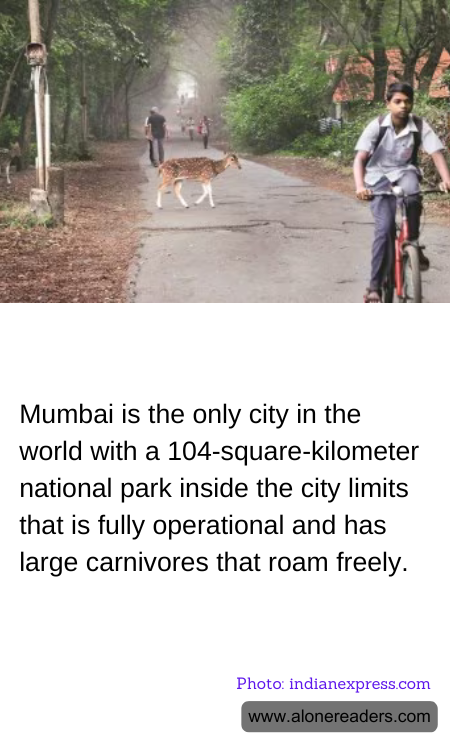
Nestled within the bustling metropolis of Mumbai lies a unique natural wonder that sets the city apart from any other urban landscape in the world. The Sanjay Gandhi National Park, sprawling over 104 square kilometers, is a thriving sanctuary that not only offers a verdant escape from the city's frenetic pace but also serves as a habitat for a variety of wildlife, including large carnivores such as leopards. This remarkable coexistence of urban life and wilderness makes Mumbai a city like no other.
Sanjay Gandhi National Park, often referred to as the lungs of Mumbai, is a testament to the city's commitment to preserving its natural heritage amidst rapid urbanization. The park is home to a diverse array of flora and fauna, with over 1,300 species of plants, 251 species of birds, and numerous mammals, reptiles, and insects. The presence of leopards, in particular, has captured the imagination of both locals and tourists, as these majestic creatures roam freely within the park's boundaries, occasionally venturing into the surrounding suburban areas.
The park's unique location within the city limits offers a rare opportunity for residents and visitors to experience nature up close without having to travel far. It provides a much-needed respite from the concrete jungle, offering activities such as trekking, bird watching, and exploring the ancient Kanheri Caves, which date back to the 1st century BCE. These caves, carved into the basalt rock of the park, are a significant archaeological site, offering insights into the region's rich history and the spread of Buddhism.
Despite the challenges of managing a national park within a densely populated city, Sanjay Gandhi National Park has thrived due to concerted conservation efforts and community involvement. The park authorities have implemented various measures to ensure the safety of both the wildlife and the human population, including awareness programs and initiatives to mitigate human-wildlife conflict. These efforts have been crucial in fostering a harmonious relationship between the city's residents and the park's inhabitants.
The presence of a fully operational national park within Mumbai's city limits is a powerful reminder of the importance of preserving natural spaces in urban environments. It highlights the delicate balance between development and conservation, demonstrating that it is possible for a city to grow while still maintaining its ecological integrity. Sanjay Gandhi National Park stands as a beacon of hope and inspiration, encouraging other cities around the world to prioritize the protection of their natural resources.
In conclusion, Mumbai's Sanjay Gandhi National Park is not just a green oasis in a sea of urban development; it is a symbol of the city's resilience and commitment to sustainability. It offers a unique experience for those who seek to connect with nature and serves as a vital reminder of the importance of preserving our planet's biodiversity. As Mumbai continues to evolve, the park remains a cherished sanctuary, ensuring that future generations can enjoy the beauty and wonder of the natural world right in the heart of the city.