More About This Card
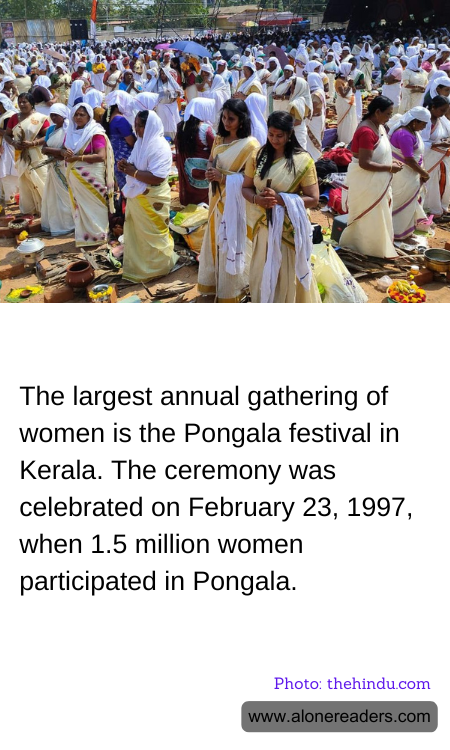
The Pongala festival, a vibrant and deeply spiritual event, stands as a testament to the enduring faith and cultural richness of Kerala, India. Celebrated annually, this festival is renowned for being the largest gathering of women in the world, with its most notable celebration occurring on February 23, 1997, when an astounding 1.5 million women participated. This remarkable event takes place in the city of Thiruvananthapuram, centered around the revered Attukal Bhagavathy Temple, often referred to as the "Sabarimala of Women."
Pongala, meaning "to boil over," is a ritual offering made to the Hindu goddess Attukal Bhagavathy, a form of the divine mother. The festival is a unique expression of devotion, where women from all walks of life come together to prepare a special sweet dish made of rice, jaggery, and coconut. This dish is cooked in earthen pots on makeshift stoves lining the streets of Thiruvananthapuram, transforming the city into a sprawling open-air kitchen. The sight of millions of women, united in faith and purpose, is both awe-inspiring and humbling.
The festival's origins are steeped in mythology and local lore. It is believed that the goddess Attukal Bhagavathy once appeared in the dreams of a devout woman, instructing her to perform this ritual. Over the years, this divine instruction evolved into a grand festival, drawing women from across the state and beyond. The event is not just a religious observance but also a celebration of womanhood, community, and solidarity.
The 1997 Pongala festival was particularly significant, as it marked a record-breaking participation that underscored the festival's growing importance and appeal. The sheer number of participants highlighted the deep-rooted cultural and spiritual connections that bind the women of Kerala. It also showcased the logistical prowess of the city, which successfully accommodated such a massive influx of devotees, ensuring their safety and comfort.
Pongala is more than just a religious ceremony; it is a cultural phenomenon that transcends barriers of caste, creed, and social status. It is a day when women, irrespective of their backgrounds, come together in a spirit of unity and devotion. The festival also serves as a powerful reminder of the strength and resilience of women, as they manage to create a harmonious and organized event amidst the bustling chaos.
In recent years, the festival has gained international recognition, attracting tourists and spiritual seekers from around the world. This global interest has further enriched the festival, adding new dimensions to its traditional practices while preserving its core essence. The Pongala festival continues to be a beacon of faith and a celebration of the divine feminine, drawing millions of women each year to partake in this extraordinary spiritual journey.