More About This Card
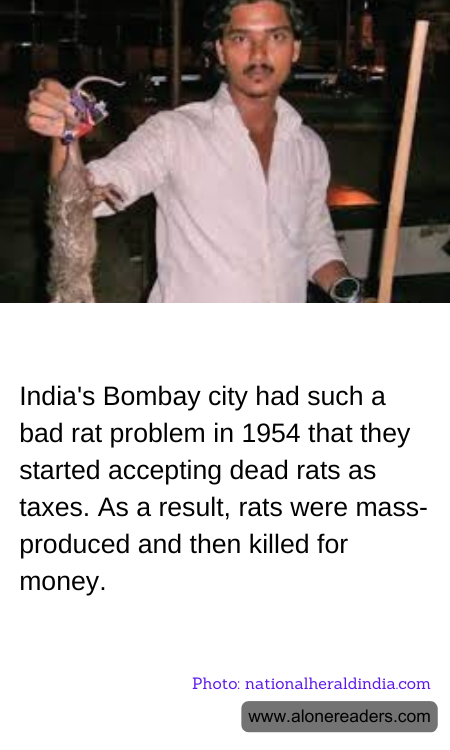
In 1954, Bombay, now known as Mumbai, faced an unusual and severe rat infestation that posed significant challenges to the city's public health and sanitation. The rat population had exploded to such an extent that it threatened the well-being of the city's residents, prompting the municipal authorities to devise an unconventional solution. In a bid to control the burgeoning rat population, the city introduced a unique policy: accepting dead rats as a form of tax payment.
This initiative was born out of desperation, as traditional pest control methods had proven ineffective against the overwhelming number of rodents. By offering financial incentives for dead rats, the authorities hoped to encourage citizens to actively participate in reducing the rat population. The scheme allowed residents to bring in dead rats to designated collection points, where they would receive monetary compensation for each carcass. This approach not only aimed to curb the rat problem but also sought to engage the community in a collective effort to improve public health conditions.
However, the policy had unintended consequences. The promise of financial gain led to the mass production of rats by enterprising individuals who saw an opportunity to profit from the situation. Some residents began breeding rats specifically to kill them and turn them in for money, undermining the original intent of the program. This unexpected development highlighted the complexities of implementing such a policy and the challenges of balancing public health initiatives with economic incentives.
Despite these challenges, the dead rat tax policy did succeed in raising awareness about the rat problem and mobilizing the community to take action. It also underscored the need for more sustainable and effective pest control measures. Over time, the city authorities refined their approach, incorporating more comprehensive strategies that included improved sanitation, better waste management, and more effective pest control techniques.
The 1954 rat tax initiative in Bombay remains a fascinating example of how cities can creatively address public health crises, even if the solutions are not without their pitfalls. It serves as a reminder of the importance of considering the broader implications of policy decisions and the need for adaptive strategies that can evolve in response to unforeseen challenges. As Mumbai continues to grow and develop, the lessons learned from this historical episode continue to inform the city's approach to urban management and public health.