More About This Card
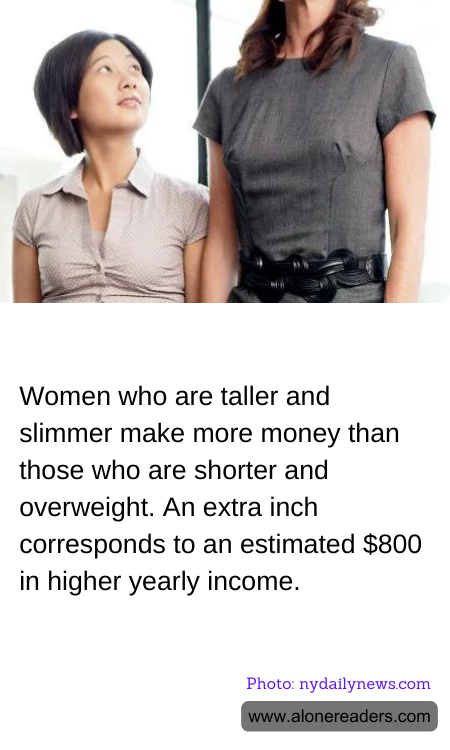
In the realm of career advancement and income potential, a surprising factor has emerged as a potential influencer: physical appearance, specifically height and body weight. Recent studies suggest that women who are taller and slimmer tend to earn more than their shorter and overweight counterparts. This trend highlights a complex intersection of societal perceptions, workplace biases, and economic outcomes.
Research indicates that an additional inch in height can correlate with an estimated $800 increase in annual income for women. This phenomenon is not limited to a specific industry or region but appears to be a widespread trend. The reasons behind this correlation are multifaceted, involving both conscious and unconscious biases that exist within professional environments. Taller individuals are often perceived as more authoritative and competent, qualities that can lead to better job opportunities and higher salaries. Similarly, societal standards of beauty, which often favor slimmer physiques, can influence hiring decisions and career advancement.
The implications of these findings are significant, as they underscore the persistent influence of physical appearance on professional success. This trend raises important questions about fairness and equality in the workplace. It challenges the notion that merit and skill are the sole determinants of career success, suggesting that superficial attributes can also play a crucial role. Such biases can perpetuate inequality, as they may disadvantage individuals who do not meet these arbitrary standards of appearance.
Addressing these biases requires a concerted effort from both employers and society at large. Organizations can implement policies and training programs aimed at reducing appearance-based discrimination. By fostering an inclusive workplace culture that values diversity and merit over physical attributes, companies can help mitigate the impact of these biases. Additionally, raising awareness about the influence of appearance on income can encourage more equitable hiring and promotion practices.
For individuals, understanding the potential impact of appearance on career outcomes can be empowering. It highlights the importance of self-awareness and the need to advocate for oneself in professional settings. While physical appearance should not be a determinant of success, being aware of its potential influence can help individuals navigate their career paths more effectively.
Ultimately, the correlation between height, weight, and income serves as a reminder of the complex dynamics at play in the professional world. It calls for a reevaluation of how success is measured and the factors that contribute to it. By acknowledging and addressing these biases, society can move towards a more equitable and inclusive future where individuals are valued for their skills and contributions, rather than their physical appearance.