More About This Card
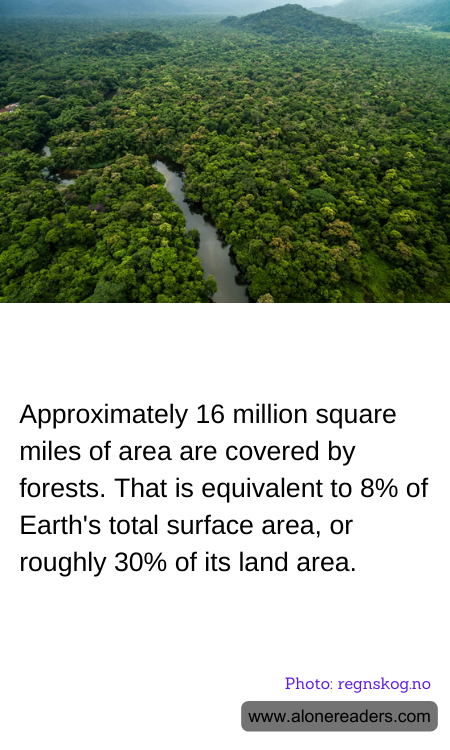
Forests are one of Earth's most vital natural resources, covering approximately 16 million square miles of the planet's surface. This vast expanse of greenery accounts for about 8% of the Earth's total surface area and roughly 30% of its land area. These figures underscore the significant role forests play in maintaining ecological balance and supporting life on Earth.
Forests are often referred to as the lungs of the planet because they absorb carbon dioxide and release oxygen, a process essential for the survival of most living organisms. They act as carbon sinks, helping to mitigate the effects of climate change by storing large amounts of carbon that would otherwise contribute to global warming. In addition to their role in carbon sequestration, forests also regulate the Earth's climate by influencing rainfall patterns and maintaining the water cycle.
Beyond their environmental benefits, forests are home to an incredible diversity of life. They provide habitat for more than half of the world's terrestrial species, including countless plants, animals, and microorganisms. This biodiversity is crucial for ecosystem stability and resilience, offering a wealth of resources for food, medicine, and other human needs. The intricate web of life within forests supports complex interactions that sustain the health of the planet.
Forests also hold immense cultural and economic value. Many indigenous communities around the world rely on forests for their livelihoods, cultural practices, and spiritual beliefs. These communities have developed a deep understanding of forest ecosystems and play a critical role in their conservation. Economically, forests contribute to industries such as timber, paper, and non-timber forest products, providing jobs and resources for millions of people globally.
Despite their importance, forests face numerous threats, including deforestation, illegal logging, and land conversion for agriculture and urban development. These activities not only reduce forest cover but also disrupt ecosystems, leading to loss of biodiversity and increased greenhouse gas emissions. Protecting and restoring forests is essential for maintaining their ecological functions and ensuring the well-being of future generations.
Efforts to conserve forests are underway worldwide, with initiatives focusing on sustainable management, reforestation, and the protection of existing forested areas. International agreements, such as the Paris Agreement, emphasize the need for global cooperation in addressing deforestation and promoting sustainable land use practices. By valuing and preserving forests, we can safeguard their benefits for the planet and all its inhabitants.
In conclusion, forests are indispensable to the health of our planet, providing essential ecological, cultural, and economic benefits. As stewards of the Earth, it is our responsibility to protect these vital ecosystems and ensure they continue to thrive for generations to come. Through collective action and sustainable practices, we can help maintain the delicate balance of life that forests support.