More About This Card
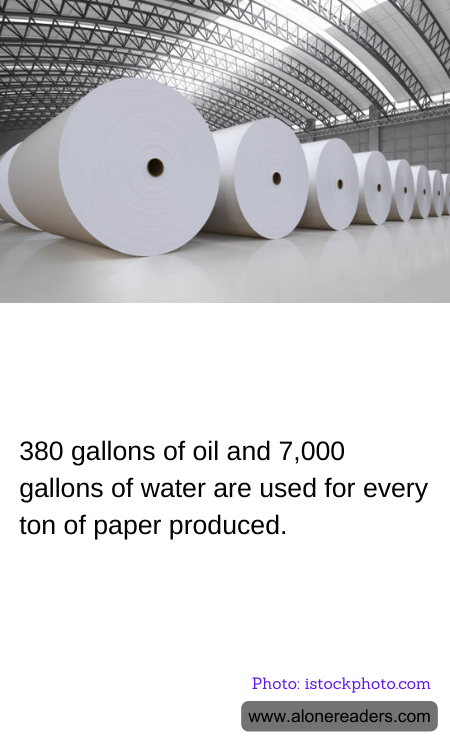
The production of paper, a seemingly innocuous everyday item, has a significant environmental footprint that often goes unnoticed. For every ton of paper produced, an astonishing 380 gallons of oil and 7,000 gallons of water are consumed. These figures highlight the substantial resources required in the papermaking process, raising important questions about sustainability and the environmental impact of our consumption habits.
The use of 380 gallons of oil per ton of paper underscores the energy-intensive nature of paper production. Oil is primarily used to power the machinery involved in the various stages of production, from pulping to drying. This reliance on fossil fuels not only contributes to the depletion of non-renewable resources but also results in the emission of greenhouse gases, which are a major driver of climate change. As the demand for paper continues to grow, so does the pressure on our planet's finite resources, emphasizing the need for more sustainable practices and alternative energy sources in the industry.
Equally concerning is the consumption of 7,000 gallons of water for each ton of paper. Water is a critical component in the papermaking process, used extensively in pulping, bleaching, and cleaning. However, this massive water usage poses a significant challenge, especially in regions where water scarcity is a pressing issue. The paper industry must navigate the delicate balance between meeting production demands and conserving water resources. Efforts to recycle water within the production cycle and adopt more water-efficient technologies are crucial steps toward reducing the industry's water footprint.
The environmental impact of paper production extends beyond resource consumption. The process generates a considerable amount of waste, including sludge and emissions, which can have detrimental effects on ecosystems if not managed properly. Moreover, the deforestation associated with sourcing raw materials for paper production contributes to habitat loss and biodiversity decline. These factors highlight the importance of sustainable forestry practices and the increased use of recycled materials to mitigate the environmental impact.
As consumers, we play a pivotal role in driving change within the paper industry. By opting for products made from recycled paper, supporting companies with sustainable practices, and reducing our overall paper consumption, we can collectively lessen the demand for new paper production. Additionally, digital alternatives to paper-based products offer viable solutions that can significantly reduce the industry's environmental footprint.
In conclusion, the staggering amounts of oil and water used in paper production serve as a stark reminder of the environmental costs associated with our everyday choices. By fostering awareness and advocating for sustainable practices, both within the industry and in our personal lives, we can contribute to a more sustainable future. The journey toward reducing the environmental impact of paper production is a shared responsibility, one that requires concerted efforts from producers, consumers, and policymakers alike.