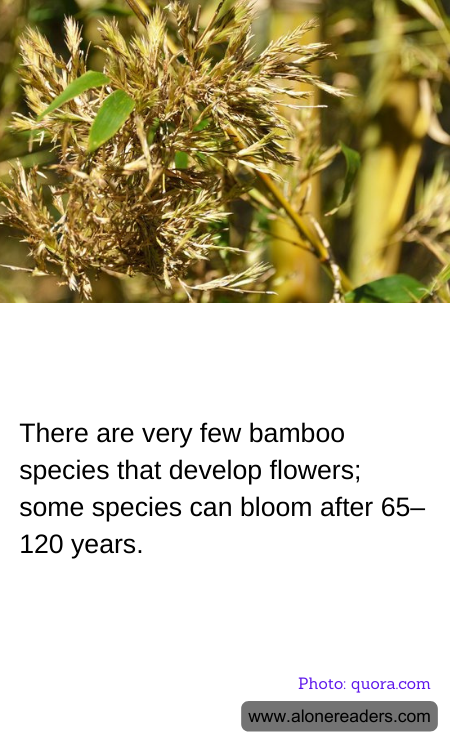
Bamboo, a plant often associated with strength and flexibility, holds a fascinating secret within its towering stalks. While many might be familiar with its rapid growth and versatility, fewer are aware of its mysterious flowering cycle. Unlike most plants that bloom annually or seasonally, bamboo is unique in its flowering habits. Only a few species of bamboo develop flowers, and when they do, it is a rare and extraordinary event.
The flowering of bamboo is a phenomenon that has intrigued botanists and nature enthusiasts alike. Some species of bamboo can take an astonishing 65 to 120 years to bloom. This prolonged flowering cycle is not only rare but also unpredictable, as it can occur simultaneously across vast geographical areas. This synchronized flowering, known as gregarious flowering, is a survival strategy that ensures the propagation of the species. Once the bamboo flowers, it produces seeds, and then, in many cases, the plant dies. This mass flowering and subsequent die-off can have significant ecological impacts, affecting everything from local wildlife to human communities that rely on bamboo for various uses.
The reasons behind bamboo's lengthy flowering cycle remain a subject of scientific curiosity. Some researchers suggest that this extended period allows bamboo to build up the necessary energy reserves to produce flowers and seeds. Others propose that the unpredictability of the flowering cycle helps protect the species from predators that might otherwise consume the seeds. Regardless of the reasons, the flowering of bamboo is a testament to the intricate and often enigmatic strategies plants use to survive and thrive.
For those who witness it, the flowering of bamboo is a spectacle of nature's resilience and beauty. The sight of a bamboo forest in bloom is both awe-inspiring and poignant, as it marks the end of one life cycle and the beginning of another. This event serves as a reminder of the delicate balance within ecosystems and the remarkable adaptations that plants have developed over millennia.
In many cultures, bamboo holds significant symbolic meaning, representing qualities such as strength, flexibility, and endurance. The flowering of bamboo, with its rarity and grandeur, adds another layer to its symbolism, embodying the ideas of renewal and the passage of time. As we continue to study and appreciate bamboo, we gain a deeper understanding of the natural world and our place within it.
The next time you encounter a bamboo grove, take a moment to consider the hidden life cycles within. While the towering stalks may seem silent and still, they are part of a dynamic process that spans decades, reminding us of the wonders and mysteries that nature holds.
