More About This Card
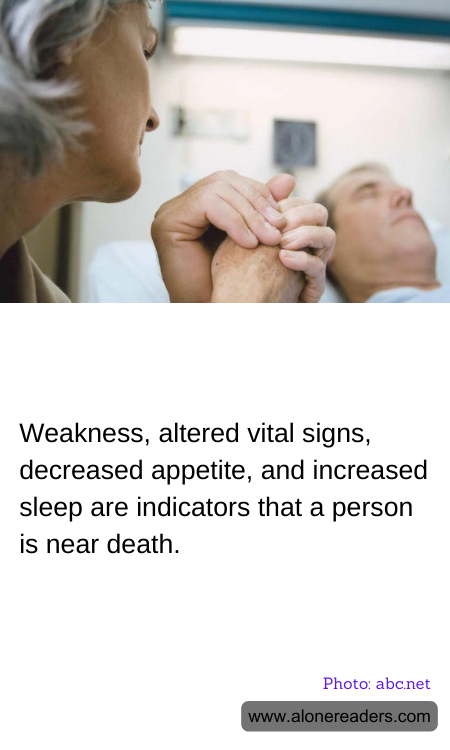
As life nears its end, the human body undergoes a series of changes that signal the approach of death. Recognizing these signs can provide comfort and understanding to family members and caregivers, allowing them to prepare emotionally and practically for the inevitable. Among the most common indicators are weakness, altered vital signs, decreased appetite, and increased sleep. Each of these symptoms reflects the body's gradual shutdown and its transition towards the final stages of life.
Weakness is often one of the earliest and most noticeable signs. As the body conserves energy for essential functions, physical strength diminishes. Simple tasks that were once performed with ease become challenging, and the individual may require assistance with basic activities such as walking, eating, or bathing. This weakness is a natural part of the dying process, as the body prioritizes its remaining energy for vital organs.
Altered vital signs are another key indicator. As the body prepares for death, changes in heart rate, blood pressure, and breathing patterns are common. The heart may beat irregularly or more slowly, and blood pressure often drops. Breathing can become labored or irregular, with periods of rapid breaths followed by pauses, known as Cheyne-Stokes respiration. These changes are part of the body's gradual decline and are often accompanied by a decrease in body temperature and changes in skin color, such as pallor or a bluish tint.
A decreased appetite is also a significant sign that a person is nearing the end of life. As the body's need for energy diminishes, so does the desire for food and drink. This can be distressing for loved ones who may feel compelled to encourage eating, but it is important to understand that this is a natural part of the dying process. Providing small sips of water or moistening the lips can offer comfort without forcing food intake.
Increased sleep is another common symptom as the body conserves energy and the individual becomes less responsive to external stimuli. This extended rest is a way for the body to cope with the physical and emotional demands of the dying process. While it may seem that the person is withdrawing, it is important to remember that they may still be aware of their surroundings and the presence of loved ones. Gentle touch and soft words can provide reassurance and comfort during this time.
Understanding these signs can help caregivers and family members provide compassionate care and support during the final stages of life. It is a time for reflection, connection, and saying goodbye. By recognizing and accepting these natural indicators, we can offer a peaceful and dignified transition for those we love.