More About This Card
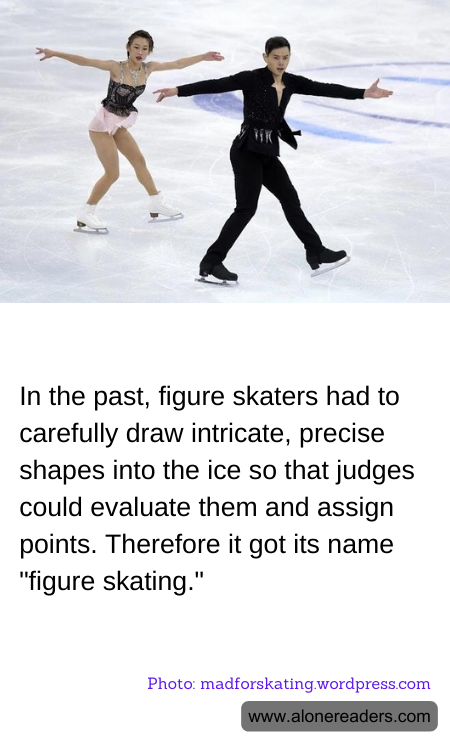
Figure skating, a sport that captivates audiences with its blend of athleticism and artistry, has a rich history that dates back to the 19th century. Its name, "figure skating," is derived from a fascinating aspect of its early competitive format, where skaters were required to carve intricate patterns, or "figures," into the ice. This practice was not only a testament to a skater's precision and control but also a critical component of how they were judged and scored.
In the early days of figure skating, the ability to execute these figures was paramount. Skaters would use their blades to etch a series of geometric shapes, such as circles, figure eights, and loops, into the ice. These patterns, known as "compulsory figures," were meticulously scrutinized by judges who evaluated the accuracy, symmetry, and cleanliness of the lines. The skaters' ability to maintain balance and control while performing these figures was a true test of their skill and discipline.
Compulsory figures were not just about technical prowess; they were an art form in themselves. Each figure required a deep understanding of edge control and body alignment, demanding that skaters maintain a graceful posture while executing precise movements. The figures were often performed in silence, with the only sound being the soft scrape of blades against ice, adding an element of serenity and focus to the performance.
As figure skating evolved, the emphasis gradually shifted from these compulsory figures to free skating, where skaters could express their creativity through jumps, spins, and choreographed routines set to music. This transition allowed skaters to showcase their individuality and artistic flair, captivating audiences with dynamic performances. However, the legacy of compulsory figures remains an integral part of the sport's history, serving as a foundation for the skills and techniques that skaters continue to develop today.
The elimination of compulsory figures from international competitions in the early 1990s marked a significant turning point in the sport. While some purists lamented the loss of this traditional element, the change allowed figure skating to become more accessible and engaging for spectators, who were drawn to the excitement and drama of free skating programs.
Today, figure skating continues to enchant audiences worldwide, with skaters pushing the boundaries of what is possible on ice. The sport's evolution from its origins in compulsory figures to the dynamic performances we see today is a testament to its enduring appeal and adaptability. While the intricate patterns etched into the ice may no longer be a part of competitive scoring, they remain a cherished chapter in the history of figure skating, reminding us of the precision and artistry that lie at the heart of this captivating sport.