More About This Card
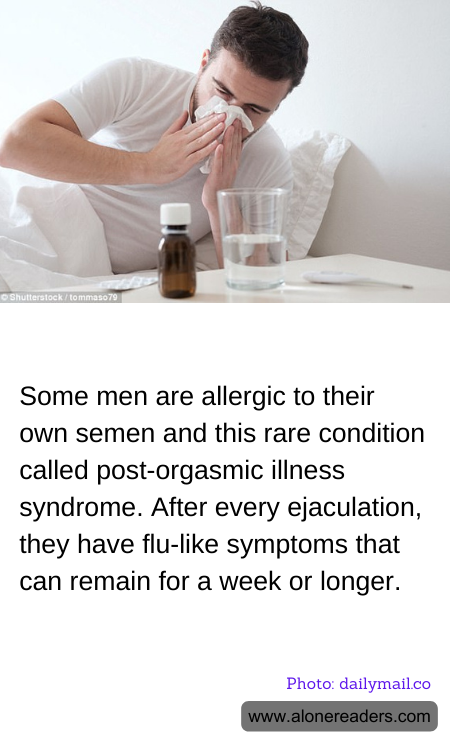
Post-orgasmic illness syndrome (POIS) is a rare and perplexing condition that affects some men, causing them to experience flu-like symptoms after ejaculation. This condition, though not widely known, can significantly impact the quality of life for those who suffer from it. The symptoms can be debilitating, often lasting for a week or longer, and include fatigue, fever, muscle weakness, and cognitive difficulties such as memory problems and concentration issues.
The exact cause of POIS is not fully understood, but it is believed to be an autoimmune or allergic reaction to one's own semen. In this scenario, the body mistakenly identifies semen as a foreign substance and mounts an immune response against it. This reaction can lead to the array of symptoms that resemble those of the flu, making everyday activities challenging for sufferers.
Diagnosing POIS can be difficult due to its rarity and the lack of awareness among both the public and medical professionals. Many men may not even realize that their symptoms are linked to ejaculation, attributing them instead to other causes. This can lead to a delay in seeking medical advice and receiving a proper diagnosis. When men do seek help, they may encounter skepticism or a lack of understanding from healthcare providers, further complicating the path to effective management.
Treatment options for POIS are limited and often involve a trial-and-error approach. Some men find relief through antihistamines or medications that suppress the immune system, while others may benefit from behavioral strategies such as abstinence or reducing the frequency of ejaculation. In some cases, desensitization therapy, which involves gradually exposing the body to small amounts of semen to build tolerance, has shown promise.
Living with POIS can be isolating, as the condition is not widely recognized and can be difficult to discuss openly. Support groups and online communities can provide valuable resources and a sense of solidarity for those affected. Sharing experiences and coping strategies can help individuals feel less alone and more empowered to manage their symptoms.
Raising awareness about POIS is crucial for improving the lives of those who suffer from it. Increased understanding among healthcare providers can lead to better diagnosis and treatment options, while public awareness can reduce the stigma and isolation often associated with the condition. As research into POIS continues, there is hope that more effective treatments will be developed, offering relief and improved quality of life for those affected by this challenging condition.