More About This Card
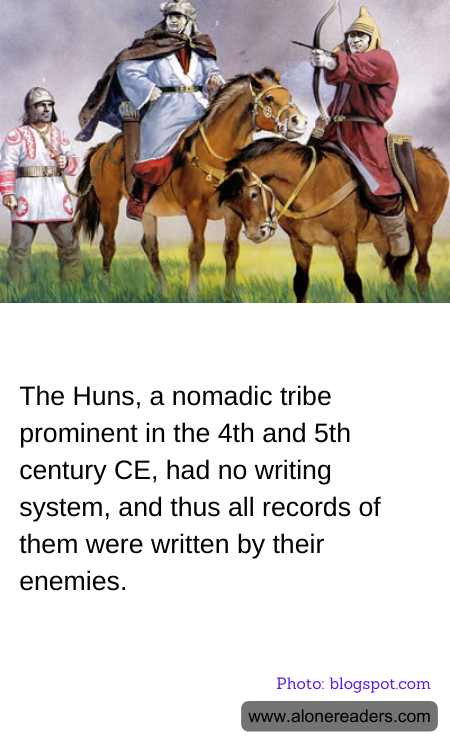
The Huns, a formidable nomadic tribe that emerged in the 4th and 5th centuries CE, have long fascinated historians and enthusiasts alike. Their sudden appearance and swift conquests across Europe left an indelible mark on history, yet much about them remains shrouded in mystery. One of the most intriguing aspects of the Huns is that they left behind no written records of their own. This absence of a writing system means that our understanding of the Huns comes almost exclusively from the accounts of their adversaries.
The Huns were a diverse group of nomadic peoples, believed to have originated from the steppes of Central Asia. Their mobility and military prowess allowed them to sweep across vast territories, striking fear into the hearts of established civilizations such as the Romans and the Goths. Despite their significant impact, the Huns did not develop a written language, which was not uncommon among nomadic tribes of the time. This lack of written documentation has posed a significant challenge for historians attempting to piece together an accurate picture of Hun society, culture, and leadership.
The primary sources of information about the Huns come from the writings of those they encountered and often fought against. Roman historians like Ammianus Marcellinus and Priscus provide some of the most detailed accounts of the Huns, though these narratives are inevitably colored by the biases and perspectives of their authors. The Romans, for instance, often depicted the Huns as barbaric and uncivilized, a portrayal that served to highlight the perceived superiority of Roman culture. These descriptions, while invaluable, must be critically assessed to separate fact from exaggeration.
The most famous Hun leader, Attila, known as "The Scourge of God," is a prime example of how the lack of Hun-written records has led to a reliance on enemy accounts. Attila's campaigns against the Roman Empire were chronicled by Roman historians who viewed him as a ruthless conqueror. However, these accounts also reveal a leader who was a shrewd diplomat and strategist, capable of forging alliances and negotiating treaties. The duality of Attila's portrayal underscores the complexity of interpreting historical narratives written by those with vested interests.
Despite the challenges posed by the absence of Hun-authored texts, archaeological discoveries have provided additional insights into their way of life. Artifacts such as weapons, jewelry, and horse gear have been unearthed, offering glimpses into the Huns' craftsmanship and the importance of warfare and mobility in their society. These findings, combined with the written accounts, help to construct a more nuanced understanding of the Huns, though many questions remain unanswered.
In conclusion, the Huns' lack of a writing system has left a significant gap in the historical record, compelling us to rely on the accounts of their enemies to piece together their story. While these narratives provide valuable information, they must be interpreted with caution, acknowledging the biases inherent in enemy perspectives. The legacy of the Huns, therefore, remains a complex tapestry woven from both the tangible remnants of their existence and the subjective accounts of those who witnessed their rise and fall.