More About This Card
The image of a Viking warrior is often accompanied by the iconic horned helmet, a symbol that has become synonymous with the Norse seafarers of the early medieval period. However, this popular depiction is more fiction than fact. The idea that Vikings wore horned helmets is a stereotype that has persisted through the ages, largely due to artistic interpretations and theatrical productions rather than historical evidence.
The myth of the horned Viking helmet can be traced back to the 19th century when Scandinavian artists and writers began to romanticize the Viking Age. This imagery was further popularized by the costume designs for Richard Wagner's operas, particularly "Der Ring des Nibelungen," where horned helmets were used to create a dramatic and imposing presence on stage. These artistic choices were not based on archaeological findings but rather on the desire to evoke a sense of the exotic and the formidable.
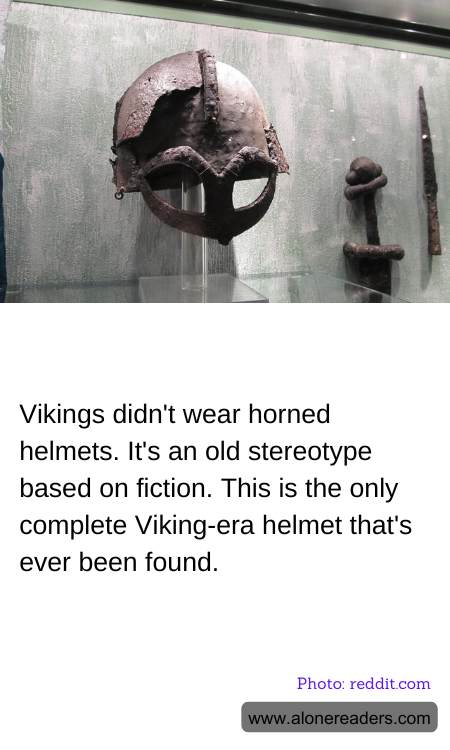
In reality, the only complete Viking-era helmet that has ever been discovered is the Gjermundbu helmet, unearthed in Norway in 1943. This helmet, dating back to the 10th century, is a simple yet effective piece of armor, featuring a rounded cap with a protective nose guard. Notably absent are any horns or extravagant embellishments. The design of the Gjermundbu helmet reflects the practical needs of Viking warriors, who required functional and durable gear for battle rather than decorative headpieces that could be cumbersome or easily caught in combat.
The misconception of horned helmets may also stem from earlier periods, where ceremonial or religious headgear with horns was used by various cultures. However, these were not part of the Viking warrior's attire. The Vikings were skilled craftsmen and traders, known for their longships and exploration, rather than the fantastical warriors of modern imagination.
Understanding the truth about Viking helmets not only corrects a historical inaccuracy but also provides a more authentic glimpse into the lives of these fascinating people. The Vikings were complex societies with rich traditions and innovations, and their legacy is better honored by acknowledging the realities of their existence rather than perpetuating myths.
As we continue to explore and learn from the past, it is important to distinguish between historical fact and the allure of myth. The image of the horned Viking helmet may be a captivating symbol, but it is one that belongs to the realm of fiction, not the annals of history. By appreciating the true artifacts and evidence left behind, we gain a deeper appreciation for the Viking Age and the people who lived it.