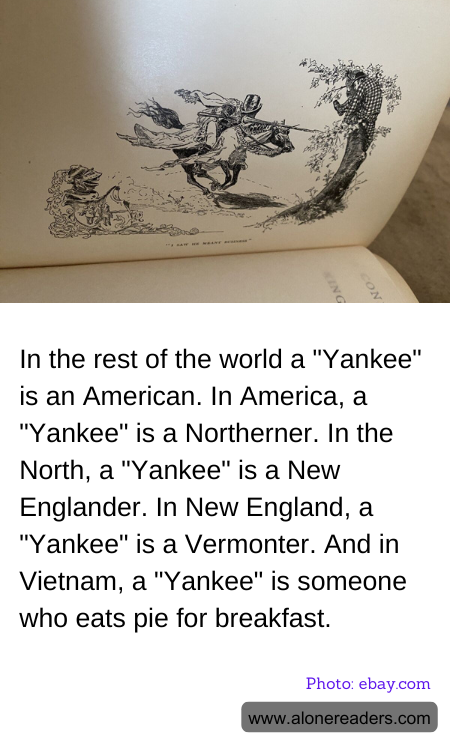
The term "Yankee" is a fascinating example of how language can evolve and adapt to different cultural contexts. Its meaning shifts dramatically depending on where you are in the world, reflecting a rich tapestry of historical and cultural nuances.
Globally, the word "Yankee" is often synonymous with being American. This broad definition likely stems from the term's historical use during the American Revolutionary War, when British soldiers referred to colonial rebels as "Yankees." Over time, the label stuck, and today it serves as a colloquial shorthand for Americans in many parts of the world. However, the story doesn't end there.
Within the United States, the term "Yankee" takes on a more specific connotation. In the American South, a "Yankee" is typically someone from the Northern states. This usage dates back to the Civil War era, when the North and South were divided over issues like slavery and states' rights. Even today, the term can carry a hint of rivalry or cultural distinction between these two regions.
Moving further north, the meaning of "Yankee" narrows even more. In the Northern United States, a "Yankee" is often understood to be a New Englander. This region, comprising states like Massachusetts, Connecticut, and Rhode Island, is known for its distinct cultural identity, which includes a reputation for thriftiness and a love of tradition. The term "Yankee" here evokes images of early American settlers and the Puritan work ethic.
Within New England itself, the label becomes even more localized. In this context, a "Yankee" is often specifically a Vermonter. Vermont, with its picturesque landscapes and independent spirit, embodies many of the qualities traditionally associated with Yankees: resilience, self-reliance, and a deep connection to the land.
Interestingly, the term takes on a completely different flavor in Vietnam, where a "Yankee" is humorously defined as someone who eats pie for breakfast. This playful interpretation highlights how cultural exchanges can lead to unique and unexpected adaptations of language. It also underscores the universal human tendency to use humor and food as a means of understanding and connecting with others.
The evolution of the term "Yankee" is a testament to the fluid nature of language and identity. It serves as a reminder that words are not static; they are living entities that grow and change alongside the societies that use them. Whether you're an American abroad, a Northerner in the South, or a Vermonter in New England, the term "Yankee" offers a fascinating glimpse into the complexities of cultural identity and the power of language to both unite and differentiate us.
