More About This Card
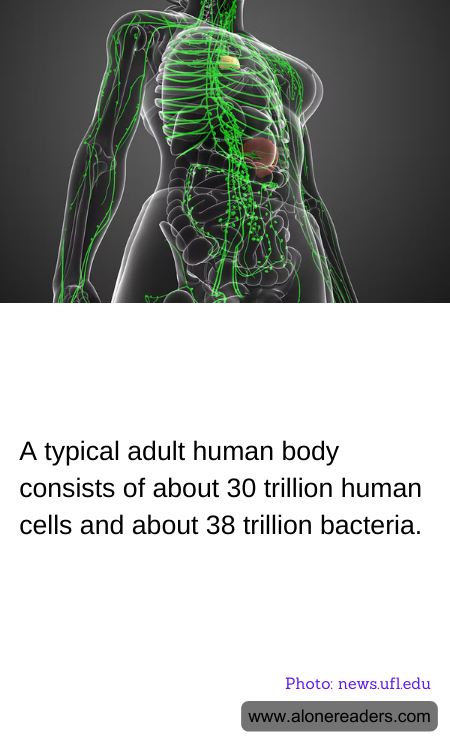
The human body is a marvel of biological engineering, a complex system that functions seamlessly to sustain life. At the heart of this intricate system are the cells that make up our bodies. A typical adult human body consists of approximately 30 trillion human cells. These cells are the building blocks of life, each one playing a specific role, from forming tissues and organs to enabling the myriad functions that keep us alive.
However, the human body is not just a collection of human cells. It is also home to a vast number of microorganisms, particularly bacteria. In fact, it is estimated that there are about 38 trillion bacteria residing in and on the human body. This means that, in terms of cell count, we are more bacterial than human. These bacteria are not just passive inhabitants; they play crucial roles in maintaining our health and well-being.
The majority of these bacteria are found in the gut, forming what is known as the gut microbiome. This community of microorganisms is essential for digestion, helping to break down food and absorb nutrients. Moreover, the gut microbiome plays a significant role in the immune system, protecting the body against harmful pathogens. It also influences other aspects of health, including metabolism and even mental health, with emerging research suggesting a link between gut bacteria and mood regulation.
The relationship between human cells and bacteria is a symbiotic one. While the human body provides a hospitable environment for bacteria to thrive, these microorganisms, in turn, offer numerous benefits. They help in synthesizing essential vitamins, such as vitamin K and some B vitamins, and aid in the detoxification of harmful compounds. Furthermore, the presence of beneficial bacteria can prevent the colonization of harmful bacteria, thereby reducing the risk of infections.
Understanding the balance between human cells and bacteria is crucial for maintaining health. Disruptions to this balance, such as those caused by antibiotics or poor diet, can lead to dysbiosis, a condition where harmful bacteria outnumber beneficial ones. This imbalance has been linked to various health issues, including digestive disorders, obesity, and autoimmune diseases.
In recent years, there has been a growing interest in probiotics and prebiotics, which are used to support and restore a healthy balance of bacteria in the body. Probiotics are live beneficial bacteria, while prebiotics are substances that promote the growth of these bacteria. Incorporating these into the diet can help maintain a healthy microbiome, supporting overall health.
The human body is a testament to the complexity and interdependence of life. The interplay between human cells and bacteria highlights the importance of maintaining a harmonious balance within our bodies. As research continues to uncover the intricacies of this relationship, it becomes increasingly clear that nurturing our microbiome is as vital as caring for our human cells. This understanding opens new avenues for enhancing health and preventing disease, underscoring the profound connection between humans and the microscopic world within us.