More About This Card
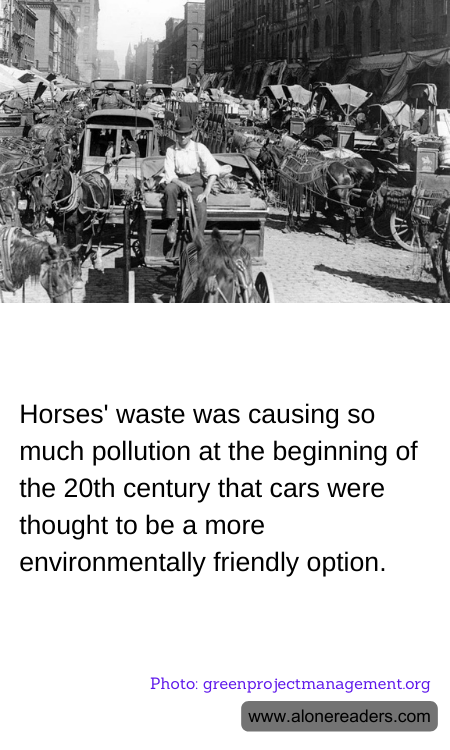
At the dawn of the 20th century, cities around the world were bustling with activity, and horses were the primary mode of transportation. These magnificent creatures were essential for pulling carriages, delivering goods, and even powering public transportation systems. However, the widespread use of horses in urban areas came with a significant downside: pollution. The sheer volume of waste produced by horses became a pressing environmental concern, leading to a surprising solution that would shape the future of transportation.
In major cities like New York and London, the streets were teeming with horses, each producing an average of 15 to 35 pounds of manure per day. With thousands of horses in use, the accumulation of waste was staggering. This not only created an unpleasant odor but also posed serious health risks. The manure attracted flies, which spread diseases, and when it dried, it turned into dust that was easily inhaled by city dwellers. Additionally, the waste often ended up in rivers and other water sources, further exacerbating pollution problems.
The situation was so dire that in 1898, the first international urban planning conference in New York City was dominated by discussions on how to manage the "horse manure crisis." Experts were at a loss, as the problem seemed insurmountable. It was during this time that the automobile emerged as a potential solution. Initially, cars were seen as a cleaner alternative to horse-drawn vehicles. They did not produce manure, and their introduction promised to alleviate the sanitation issues plaguing urban centers.
As cars began to replace horses, the immediate benefits were evident. Streets became cleaner, and the air quality improved as the dust from dried manure decreased. The transition to automobiles was hailed as a triumph of modern technology over a seemingly intractable environmental problem. However, this shift also marked the beginning of a new era of pollution, as the internal combustion engine introduced its own set of challenges, including air pollution and greenhouse gas emissions.
In hindsight, the transition from horse-drawn carriages to automobiles was a pivotal moment in urban planning and environmental management. It highlights the complexities of technological progress and the unintended consequences that can arise. While cars initially seemed like an environmentally friendly alternative, they eventually contributed to new forms of pollution that continue to impact our world today.
This historical episode serves as a reminder of the importance of considering long-term environmental impacts when adopting new technologies. As we face modern challenges like climate change, it is crucial to learn from the past and strive for solutions that balance progress with sustainability. The story of horses and cars underscores the need for innovation that not only addresses immediate problems but also anticipates future consequences, ensuring a cleaner and healthier planet for generations to come.