More About This Card
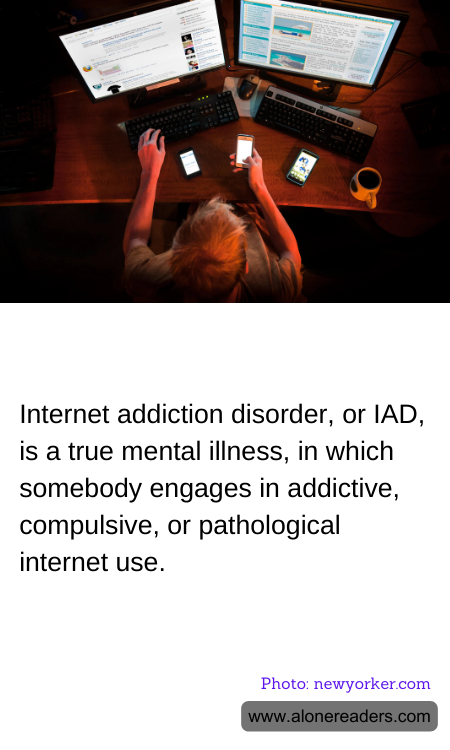
In today's digital age, the internet has become an indispensable part of our daily lives, offering a wealth of information, entertainment, and social connectivity. However, this ubiquitous presence has also given rise to a growing concern: Internet Addiction Disorder (IAD). Recognized as a genuine mental health issue, IAD is characterized by an individual's compulsive and pathological use of the internet, leading to significant impairment in personal, social, and occupational functioning.
Internet Addiction Disorder manifests in various forms, including excessive gaming, social media obsession, compulsive online shopping, and endless browsing. Individuals suffering from IAD often experience a loss of control over their internet usage, spending increasing amounts of time online at the expense of real-world responsibilities and relationships. This compulsive behavior can lead to a range of negative consequences, such as academic decline, job loss, and strained family dynamics.
The psychological mechanisms underlying IAD are complex and multifaceted. Similar to other behavioral addictions, internet addiction is often driven by the brain's reward system. The instant gratification and dopamine release associated with online activities can create a cycle of dependency, where individuals seek out these pleasurable experiences repeatedly. Over time, this can lead to tolerance, where more time spent online is needed to achieve the same level of satisfaction, and withdrawal symptoms, such as irritability and anxiety, when internet access is restricted.
Addressing Internet Addiction Disorder requires a comprehensive approach that involves both prevention and intervention strategies. Education plays a crucial role in raising awareness about the potential risks of excessive internet use. Encouraging healthy online habits, such as setting time limits and promoting offline activities, can help mitigate the risk of developing IAD. For those already affected, professional treatment options, including cognitive-behavioral therapy and support groups, can provide valuable tools for managing and overcoming addiction.
It is essential to recognize that the internet itself is not inherently harmful; rather, it is the manner in which it is used that can lead to addiction. By fostering a balanced approach to internet usage and promoting digital literacy, individuals can enjoy the benefits of the online world without falling prey to its addictive potential. As society continues to navigate the complexities of the digital landscape, understanding and addressing Internet Addiction Disorder will be crucial in ensuring the well-being of individuals across all age groups.