More About This Card
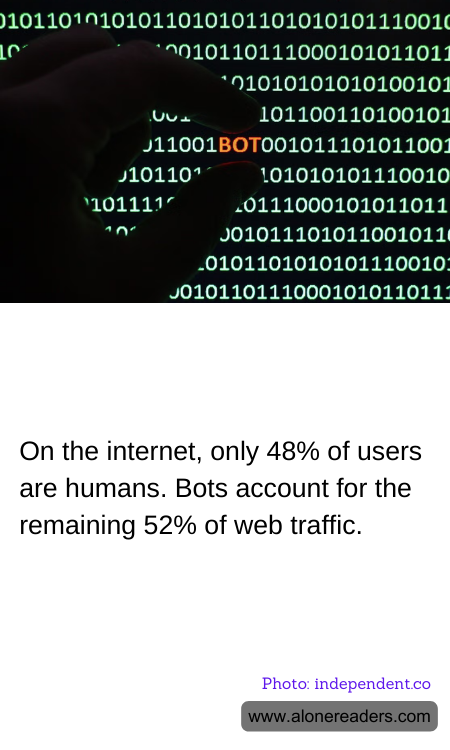
In the vast digital landscape of the internet, a surprising revelation has emerged: only 48% of web traffic is generated by human users. The remaining 52% is attributed to bots, which are automated programs designed to perform specific tasks online. This statistic underscores the significant role that bots play in shaping our online experiences, influencing everything from search engine results to social media interactions.
Bots come in various forms, each serving different purposes. Some are beneficial, such as search engine crawlers that index web pages to improve search results, or chatbots that provide customer service on websites. These bots enhance user experience by making information more accessible and interactions more efficient. However, not all bots are benign. Malicious bots can be used for nefarious activities like spamming, data theft, and launching cyber attacks. These harmful bots can compromise personal information, disrupt services, and even manipulate public opinion by spreading misinformation.
The prevalence of bots raises important questions about the authenticity of online interactions and the integrity of digital data. For instance, in the realm of social media, bots can artificially inflate the popularity of certain posts or accounts, skewing public perception and potentially influencing real-world events. This phenomenon has prompted platforms to implement stricter measures to detect and eliminate fake accounts, yet the battle against malicious bots remains ongoing.
For businesses and individuals alike, understanding the impact of bots is crucial. Companies must invest in robust cybersecurity measures to protect their digital assets from bot-related threats. This includes implementing advanced firewalls, employing machine learning algorithms to detect unusual patterns, and regularly updating security protocols. For everyday internet users, being aware of the presence of bots can lead to more informed and cautious online behavior, such as verifying sources before sharing information and using secure passwords.
As technology continues to evolve, the role of bots on the internet is likely to expand. Innovations in artificial intelligence and machine learning are making bots more sophisticated, capable of performing complex tasks with greater efficiency. This evolution presents both opportunities and challenges. While bots can streamline processes and enhance user experiences, they also pose risks that require vigilant monitoring and regulation.
In conclusion, the fact that bots account for 52% of web traffic highlights the dual nature of these automated entities. They are indispensable tools that drive the functionality of the internet, yet they also pose significant challenges that need to be addressed. As we navigate this digital age, a balanced approach that leverages the benefits of bots while mitigating their risks will be essential to maintaining a safe and authentic online environment.