More About This Card
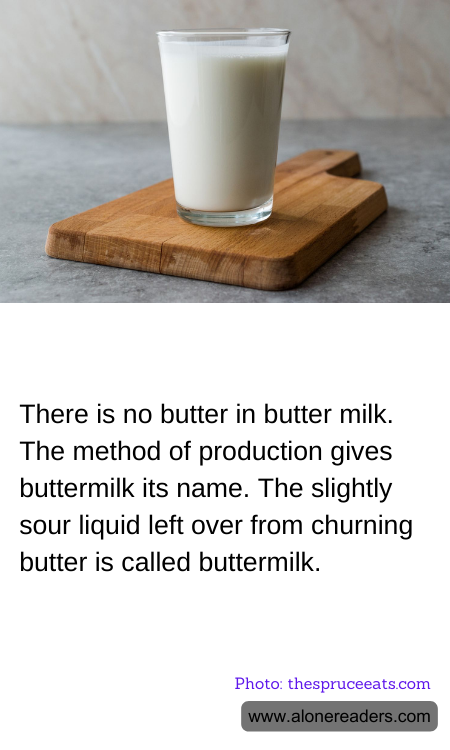
Buttermilk, despite its name, contains no butter. This might come as a surprise to many, especially those who are unfamiliar with the traditional methods of dairy production. The name "buttermilk" actually originates from the process of making butter, where it was once a byproduct. Understanding the origins and characteristics of buttermilk can provide a fascinating glimpse into the world of dairy and its evolution over time.
Traditionally, buttermilk was the slightly sour liquid that remained after churning cream into butter. This process involved agitating cream until the fat separated, forming butter, and leaving behind a tangy, low-fat liquid. This leftover liquid was called buttermilk. It was a staple in many households, particularly in rural areas, where it was valued for its refreshing taste and versatility in cooking and baking. The natural fermentation that occurred during the butter-making process gave buttermilk its distinctive tangy flavor, making it a popular ingredient in recipes ranging from pancakes to biscuits.
In modern times, the buttermilk available in stores is typically cultured buttermilk, which is quite different from the traditional byproduct. Cultured buttermilk is made by adding specific bacterial cultures to low-fat milk, which ferments the lactose, producing lactic acid. This process thickens the milk and gives it the characteristic tangy flavor similar to the traditional buttermilk. The result is a product that mimics the taste and texture of the original buttermilk but is produced in a more controlled and consistent manner.
Buttermilk's unique properties make it a versatile ingredient in the kitchen. Its acidity can tenderize baked goods, making them light and fluffy. It is often used in recipes for pancakes, waffles, and muffins, where it reacts with baking soda to create a leavening effect. Additionally, buttermilk is a popular choice for marinades, as its acidity helps to tenderize meats, infusing them with flavor.
Despite its name, buttermilk is a low-fat dairy product, making it a healthier option for those looking to reduce their fat intake without sacrificing flavor. It is also rich in probiotics, which are beneficial for digestive health. This makes buttermilk not only a delicious addition to various dishes but also a nutritious one.
In conclusion, while buttermilk may not contain butter, its name and origins are deeply rooted in the traditional butter-making process. Whether used in cooking, baking, or enjoyed on its own, buttermilk continues to be a beloved ingredient in kitchens around the world. Its tangy flavor and health benefits make it a versatile and valuable addition to any diet. Understanding the history and production of buttermilk can enhance our appreciation for this unique dairy product and its role in culinary traditions.