More About This Card
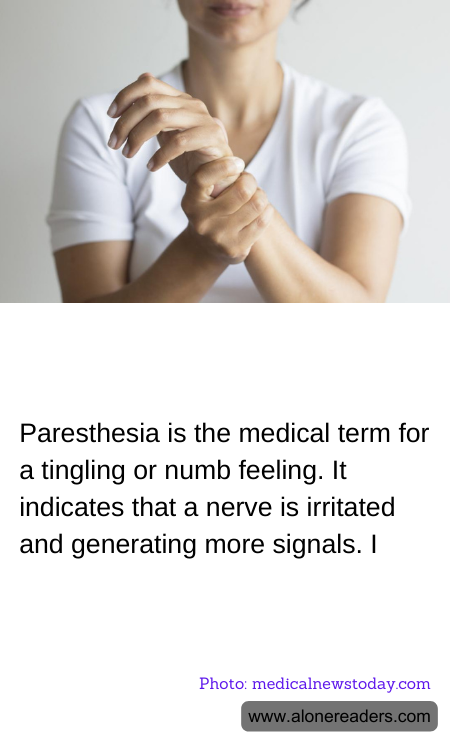
Paresthesia is a term that might not be familiar to everyone, yet many have experienced its peculiar sensations. This medical term describes the tingling or numb feeling that often occurs in various parts of the body. It is a common sensation that can be both intriguing and unsettling, depending on its intensity and duration. Paresthesia occurs when a nerve is irritated, leading it to generate more signals than usual. This overactivity of the nerve results in the familiar prickling or "pins and needles" sensation.
Most people have experienced temporary paresthesia at some point in their lives. A classic example is when a foot or hand "falls asleep" due to prolonged pressure on a nerve. This pressure disrupts normal nerve function, causing the tingling sensation. Once the pressure is relieved, normal sensation typically returns quickly. This type of paresthesia is usually harmless and resolves on its own without any medical intervention.
However, paresthesia can also be a symptom of underlying medical conditions. Chronic paresthesia, which persists or recurs frequently, may indicate issues such as nerve damage, diabetes, multiple sclerosis, or other neurological disorders. In such cases, it is important to consult a healthcare professional to determine the underlying cause and appropriate treatment. Diagnosing the root cause often involves a thorough medical history, physical examination, and sometimes additional tests like blood work or imaging studies.
While paresthesia itself is not a disease, it serves as a valuable signal from the body that something may be amiss. Paying attention to when and how often these sensations occur can provide important clues for healthcare providers. For instance, if paresthesia is accompanied by other symptoms such as weakness, pain, or changes in sensation, it may warrant further investigation.
Managing paresthesia involves addressing the underlying cause. For temporary cases, simply changing position to relieve pressure on the affected nerve is often sufficient. For chronic cases, treatment may involve medications, physical therapy, or lifestyle modifications to manage the underlying condition. In some instances, avoiding certain triggers, such as repetitive movements or poor posture, can help reduce the frequency of paresthesia episodes.
In conclusion, while paresthesia is a common and often benign sensation, it is important to be mindful of its occurrence and characteristics. Understanding that it is a signal of nerve irritation can help individuals take appropriate action, whether it be a simple adjustment in posture or seeking medical advice for persistent symptoms. By paying attention to these signals, individuals can better manage their health and well-being.