More About This Card
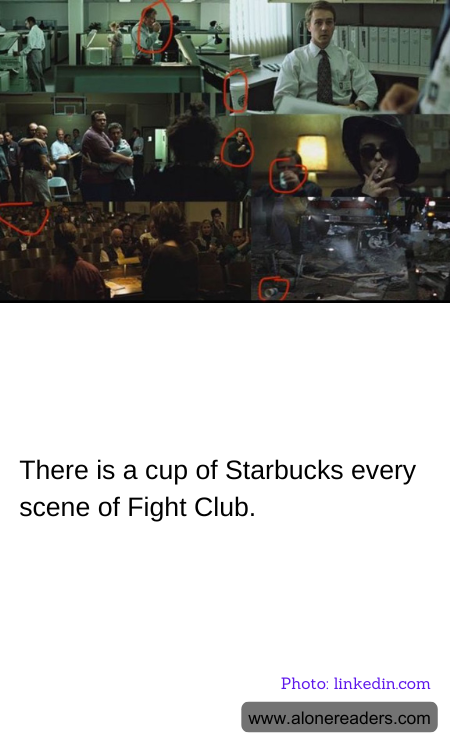
David Fincher's 1999 film "Fight Club" is renowned for its dark humor, psychological depth, and satirical take on consumer culture. However, one of the more intriguing and lesser-known aspects of the film is the presence of a Starbucks cup in nearly every scene. This subtle detail has sparked curiosity and debate among fans and film scholars alike, raising questions about its significance and the message it conveys.
The inclusion of Starbucks cups throughout "Fight Club" is not merely a coincidence or a product placement strategy. Instead, it serves as a deliberate commentary on the pervasive nature of consumerism in modern society. The film, based on Chuck Palahniuk's novel, explores themes of identity, masculinity, and the emptiness of material pursuits. By integrating a ubiquitous symbol of corporate culture like Starbucks, Fincher underscores the omnipresence of consumer brands in everyday life and how they infiltrate even the most personal aspects of our existence.
In the world of "Fight Club," the Starbucks cup becomes a visual metaphor for the protagonist's internal struggle against the societal pressures to conform and consume. The film's narrator, played by Edward Norton, is trapped in a monotonous cycle of work and consumption, seeking meaning in a world dominated by brand names and corporate logos. The recurring appearance of the Starbucks cup subtly reinforces the idea that consumer culture is inescapable, even as the characters attempt to rebel against it.
Fincher's decision to include Starbucks cups in nearly every scene also reflects the film's satirical tone. By exaggerating the presence of a single brand, the film pokes fun at the absurdity of a society obsessed with logos and status symbols. It invites viewers to question their own relationship with consumer goods and consider how these items shape their identities and values. This clever use of visual symbolism adds an additional layer of depth to the film, encouraging audiences to engage with its themes on a more critical level.
While some may view the Starbucks cups as a mere Easter egg or a playful nod to the audience, their presence in "Fight Club" is a testament to Fincher's meticulous attention to detail and his commitment to crafting a narrative that challenges conventional norms. The film's exploration of consumer culture remains relevant today, as society continues to grapple with the impact of globalization and the influence of multinational corporations on individual lives.
In conclusion, the Starbucks cup in "Fight Club" is more than just a recurring prop; it is a powerful symbol of the film's critique of consumerism and the search for authenticity in a world dominated by brands. By weaving this element into the fabric of the film, Fincher invites viewers to reflect on their own consumption habits and the ways in which they define themselves through the products they buy. As such, "Fight Club" remains a thought-provoking and enduring piece of cinema that resonates with audiences across generations.