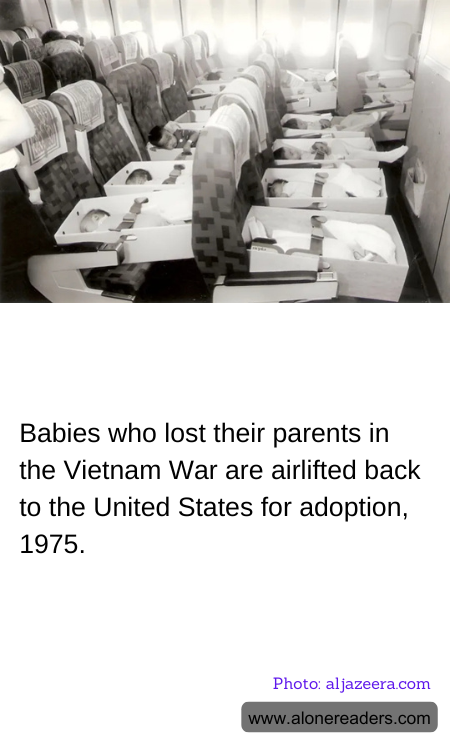
In the spring of 1975, as the Vietnam War drew to a chaotic close, a humanitarian effort known as "Operation Babylift" unfolded, capturing the world's attention. This mission aimed to evacuate thousands of Vietnamese orphans, many of whom had lost their parents in the conflict, and airlift them to safety in the United States for adoption. The operation was a poignant chapter in the war's aftermath, marked by both hope and controversy.
The initiative was launched in April 1975, just weeks before the fall of Saigon. The U.S. government, along with various international organizations and adoption agencies, coordinated the evacuation of over 3,000 children. These children, many of whom were of mixed American and Vietnamese heritage, faced an uncertain future in a country ravaged by war. The airlifts were seen as a way to provide them with new beginnings in the United States, where families eagerly awaited their arrival.
The operation was not without its challenges. The first flight, a U.S. Air Force C-5A Galaxy, tragically crashed shortly after takeoff, resulting in the loss of 138 lives, including 78 children. Despite this heartbreaking setback, the mission continued with renewed determination. Over the following weeks, numerous flights carried children to the United States, where they were welcomed by adoptive families from coast to coast.
While Operation Babylift was hailed by many as a noble humanitarian effort, it was also met with criticism. Some questioned the legality and ethics of the mass adoptions, arguing that the chaotic circumstances of the war made it difficult to ensure that all the children were truly orphans. Concerns were also raised about the cultural and emotional challenges these children would face as they adjusted to life in a new country.
Despite the controversies, the operation left a lasting impact on the lives of those involved. For many of the children, it marked the beginning of a new chapter filled with opportunities and love. Adoptive families embraced their new members, and communities across the United States rallied to support them. Over the years, many of these adoptees have shared their stories, reflecting on their unique journeys and the complex legacy of Operation Babylift.
Today, the story of these airlifted children serves as a reminder of the enduring human spirit and the capacity for compassion in times of crisis. It highlights the profound effects of war on the most vulnerable and underscores the importance of international cooperation in addressing humanitarian needs. As these individuals continue to navigate their identities and histories, their experiences offer valuable insights into the complexities of adoption, identity, and belonging in a globalized world.
