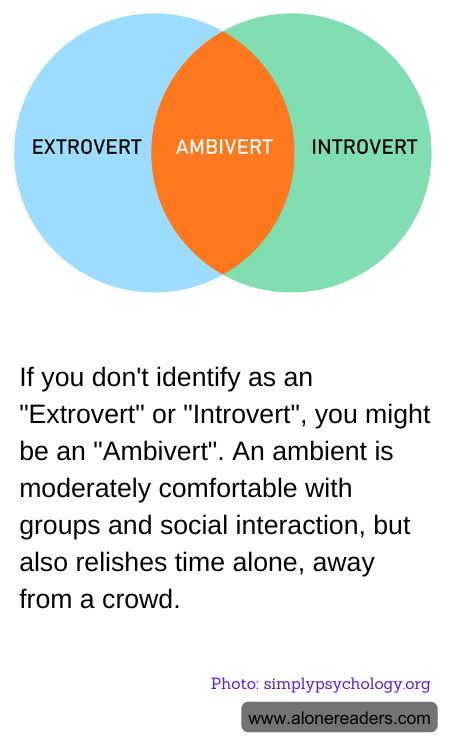
In a world where personality types are often categorized into neat boxes, the terms "extrovert" and "introvert" have become commonplace in describing how individuals interact with their surroundings. Extroverts are typically seen as outgoing and energized by social interactions, while introverts are often perceived as reserved, drawing energy from solitude. However, not everyone fits neatly into these categories. If you find yourself comfortable in social settings but equally enjoy your alone time, you might be an ambivert.
Ambiverts are individuals who embody traits of both extroverts and introverts, striking a balance between the two. This unique blend allows them to adapt to various social situations with ease. Unlike extroverts, who may feel drained without social interaction, or introverts, who might find large gatherings overwhelming, ambiverts can thrive in both environments. They enjoy the company of others and can be quite sociable, but they also appreciate and need time alone to recharge.
The flexibility of ambiverts can be a significant advantage in both personal and professional settings. In social situations, they can engage in lively conversations and connect with others, making them approachable and relatable. At the same time, their introverted side allows them to listen actively and empathize with others, fostering deeper connections. This adaptability makes ambiverts excellent team players and leaders, as they can navigate the dynamics of group interactions while also valuing individual contributions.
In the workplace, ambiverts often excel because they can switch between collaborative and independent tasks seamlessly. They can lead meetings and presentations with confidence, yet they are equally comfortable working on projects alone. This versatility can lead to increased productivity and job satisfaction, as ambiverts can tailor their work style to suit the demands of different tasks.
Understanding whether you are an ambivert can also enhance personal relationships. By recognizing your need for both social interaction and solitude, you can communicate your preferences to friends and family, ensuring that your social needs are met without feeling overwhelmed. This self-awareness can lead to more fulfilling and balanced relationships, as you learn to navigate the ebb and flow of social engagement and personal downtime.
In conclusion, being an ambivert offers a unique blend of social adaptability and introspective depth. It allows individuals to enjoy the best of both worlds, engaging with others while also valuing their own company. As society becomes more aware of the diverse spectrum of personality types, embracing the ambivert identity can lead to a more nuanced understanding of human interaction and personal fulfillment. Whether in social settings or solitary moments, ambiverts find harmony in their dual nature, making them a vital and dynamic part of any community.
