More About This Card
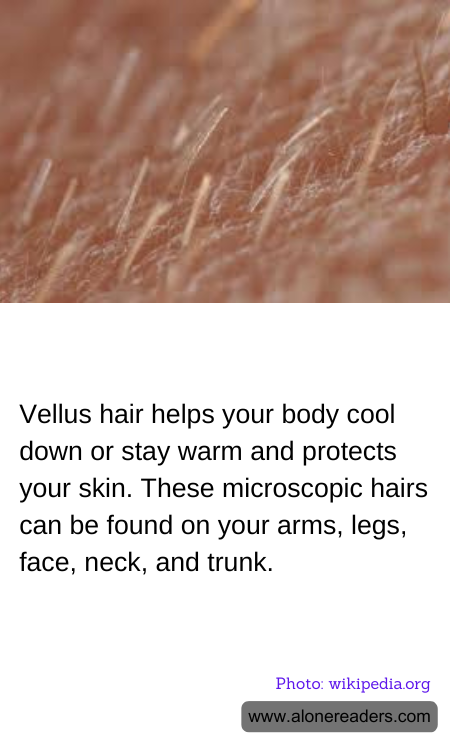
Vellus hair, often overlooked due to its fine and nearly invisible nature, plays a crucial role in the body's ability to regulate temperature and protect the skin. These tiny, soft hairs cover most of the human body, including the arms, legs, face, neck, and trunk, and are an integral part of our skin's ecosystem. While they may not be as noticeable as the thicker terminal hairs found on the scalp or eyebrows, vellus hairs serve important functions that contribute to our overall well-being.
One of the primary roles of vellus hair is thermoregulation. These hairs help the body maintain a stable internal temperature, which is vital for optimal physiological functioning. In cooler environments, vellus hair traps a layer of air close to the skin, providing an insulating effect that helps retain body heat. Conversely, in warmer conditions, the presence of these hairs facilitates the evaporation of sweat, which cools the skin and helps prevent overheating. This dual function makes vellus hair an essential component of the body's natural temperature control system.
Beyond temperature regulation, vellus hair also offers a layer of protection for the skin. The skin is the body's largest organ and serves as the first line of defense against environmental factors such as UV radiation, pollution, and pathogens. Vellus hair acts as a physical barrier, reducing the direct impact of these elements on the skin's surface. Additionally, these hairs can help to disperse natural oils produced by the skin, which maintain moisture levels and provide an additional protective layer against external irritants.
Vellus hair also plays a subtle role in sensory perception. Although these hairs are not as sensitive as the more prominent terminal hairs, they can still detect changes in the environment, such as shifts in air movement or temperature. This sensory feedback can prompt reflexive actions, such as the contraction of tiny muscles at the base of the hair follicle, known as arrector pili muscles, which cause the hairs to stand on end—a phenomenon commonly referred to as "goosebumps." This reaction is part of the body's natural response to cold or emotional stimuli, further illustrating the multifaceted functions of vellus hair.
In conclusion, while vellus hair may seem insignificant due to its fine and nearly invisible appearance, it plays a vital role in maintaining the body's homeostasis and protecting the skin. By aiding in temperature regulation, offering a protective barrier, and contributing to sensory perception, these microscopic hairs are an essential, albeit understated, component of human physiology. Understanding and appreciating the functions of vellus hair can enhance our awareness of the intricate systems that support our health and well-being.