More About This Card
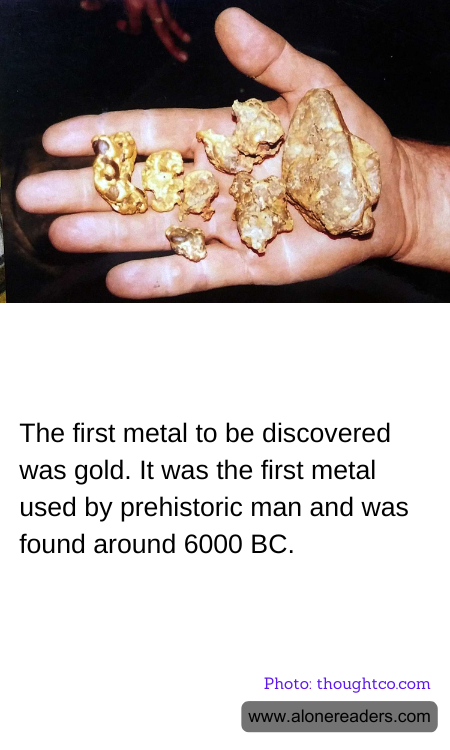
Gold holds a unique place in human history as the first metal to be discovered and utilized by prehistoric man. Its discovery dates back to around 6000 BC, marking the beginning of humanity's long and intricate relationship with metals. Unlike other metals that require complex extraction processes, gold is often found in its native form, making it accessible to early humans who lacked advanced technology.
The allure of gold is timeless, and its natural beauty and rarity have captivated human societies for millennia. Its bright, lustrous appearance and resistance to tarnish made it an ideal material for crafting decorative objects and jewelry. Early humans were drawn to gold's aesthetic appeal, using it to create ornaments and ceremonial artifacts that symbolized power and prestige. These early uses of gold laid the foundation for its enduring status as a symbol of wealth and luxury.
Gold's malleability and ductility also contributed to its early adoption. It can be easily shaped and molded without breaking, allowing ancient craftsmen to experiment with various forms and designs. This versatility enabled the creation of intricate pieces that showcased the skill and creativity of early artisans. As societies evolved, gold became a medium through which cultural and artistic expressions were conveyed, reflecting the values and beliefs of the time.
The discovery of gold also played a significant role in the development of trade and commerce. As communities began to interact and exchange goods, gold emerged as a valuable commodity that facilitated trade. Its intrinsic value and universal appeal made it a preferred medium of exchange, paving the way for the establishment of early economies. The use of gold in trade helped to connect distant cultures, fostering the exchange of ideas and innovations that propelled human progress.
Throughout history, gold has maintained its significance, influencing economies, cultures, and even politics. Its discovery marked the beginning of metallurgy, leading to the exploration and utilization of other metals that have shaped the course of human civilization. From ancient empires to modern economies, gold continues to be a symbol of wealth and stability, a testament to its enduring legacy.
In conclusion, the discovery of gold around 6000 BC was a pivotal moment in human history. As the first metal used by prehistoric man, it set the stage for the development of metallurgy and the advancement of human societies. Its beauty, rarity, and versatility have ensured its place as a cherished and valuable resource throughout the ages. Gold's timeless appeal continues to captivate and inspire, reminding us of our shared history and the enduring quest for beauty and prosperity.