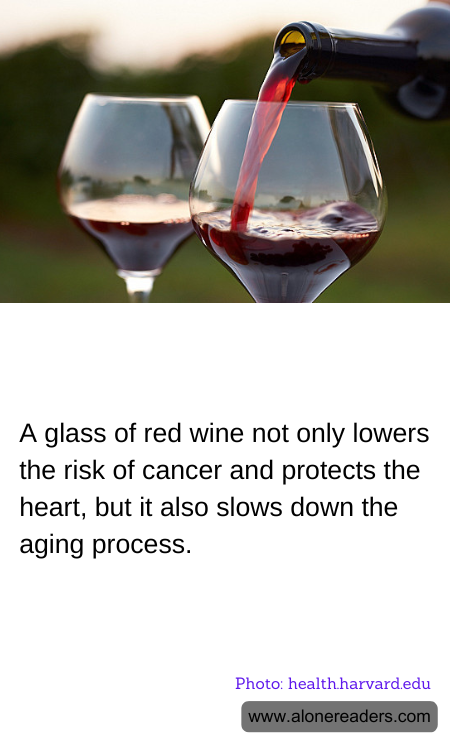
In recent years, the health benefits of red wine have become a topic of interest for both scientists and the general public. While moderation is key, a glass of red wine has been associated with a range of health benefits, including lowering the risk of cancer, protecting the heart, and even slowing down the aging process. These benefits are primarily attributed to the presence of antioxidants and other beneficial compounds found in red wine.
One of the most significant advantages of red wine is its potential to reduce the risk of certain types of cancer. This is largely due to the presence of resveratrol, a powerful antioxidant found in the skin of grapes. Resveratrol has been shown to inhibit the growth of cancer cells and prevent them from spreading. Additionally, other compounds in red wine, such as flavonoids and tannins, contribute to its anti-cancer properties by protecting cells from oxidative damage and reducing inflammation, which are both key factors in cancer development.
Red wine is also renowned for its heart-protective qualities. The antioxidants in red wine help increase levels of high-density lipoprotein (HDL) cholesterol, often referred to as "good" cholesterol, and protect against artery damage. This can lead to a reduced risk of heart disease, which is a leading cause of death worldwide. Furthermore, moderate consumption of red wine has been linked to improved endothelial function, which is crucial for maintaining healthy blood vessels and ensuring proper blood flow.
Beyond its cancer-fighting and heart-protective properties, red wine may also play a role in slowing down the aging process. The antioxidants in red wine combat oxidative stress, which is a major contributor to aging and age-related diseases. By neutralizing free radicals, these antioxidants help preserve the integrity of cells and tissues, potentially leading to a longer, healthier life. Moreover, resveratrol has been shown to activate certain genes associated with longevity, further supporting the notion that red wine can contribute to a more youthful appearance and vitality.
While the benefits of red wine are compelling, it is important to emphasize moderation. Excessive alcohol consumption can lead to a host of health problems, including liver damage, addiction, and an increased risk of certain cancers. Therefore, it is recommended that individuals enjoy red wine in moderation, typically defined as one glass per day for women and up to two glasses per day for men.
In conclusion, a glass of red wine can be a delightful addition to a healthy lifestyle, offering potential benefits such as reduced cancer risk, heart protection, and a slower aging process. However, these benefits are best realized when red wine is consumed responsibly and as part of a balanced diet. As with any health-related decision, it is always wise to consult with a healthcare professional to determine what is best for your individual needs.
