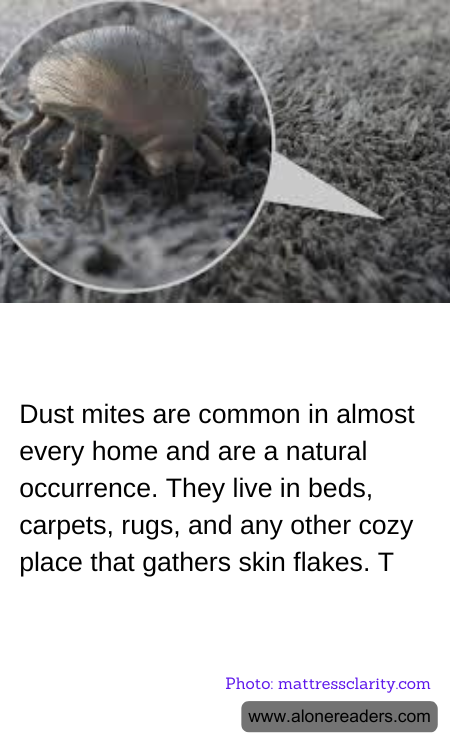
Dust mites are microscopic creatures that are virtually invisible to the naked eye, yet they inhabit almost every home across the globe. These tiny arachnids thrive in warm, humid environments and are particularly fond of places that collect human skin flakes, such as beds, carpets, and upholstered furniture. Despite their minuscule size, dust mites can have a significant impact on indoor air quality and the health of those who are sensitive to allergens.
The presence of dust mites in homes is a natural occurrence, as they feed on the dead skin cells that humans and pets shed daily. A single person can shed enough skin in a day to feed a million dust mites. This makes beds, where we spend a significant portion of our lives, a prime habitat for these creatures. The combination of warmth, moisture, and an abundant food supply creates an ideal environment for dust mites to flourish. Carpets and rugs also provide a cozy haven for dust mites, as they trap skin flakes and other organic materials that these mites consume.
While dust mites themselves do not bite or transmit diseases, their presence can trigger allergic reactions in some individuals. The proteins found in dust mite waste and decomposed bodies are common allergens that can cause symptoms such as sneezing, runny nose, itchy eyes, and even asthma attacks in sensitive individuals. For those with dust mite allergies, reducing exposure is key to managing symptoms. Regular cleaning and maintenance of household items can help minimize dust mite populations. Washing bedding in hot water, using allergen-proof mattress and pillow covers, and vacuuming carpets and upholstery with a HEPA filter-equipped vacuum cleaner are effective strategies.
In addition to regular cleaning, controlling humidity levels in the home can also deter dust mite proliferation. Dust mites thrive in environments where the humidity is above 50 percent. Using a dehumidifier or air conditioner to maintain indoor humidity between 30 and 50 percent can create a less hospitable environment for these pests. Additionally, removing or reducing the number of dust-collecting items, such as heavy drapes and stuffed animals, can further limit dust mite habitats.
Understanding the nature of dust mites and their role in the household ecosystem is crucial for managing their presence effectively. While it is nearly impossible to eliminate dust mites entirely, taking proactive steps to reduce their numbers can significantly improve indoor air quality and alleviate allergy symptoms. By maintaining a clean and well-ventilated home, individuals can coexist with these tiny creatures while minimizing their impact on health and comfort.
