More About This Card
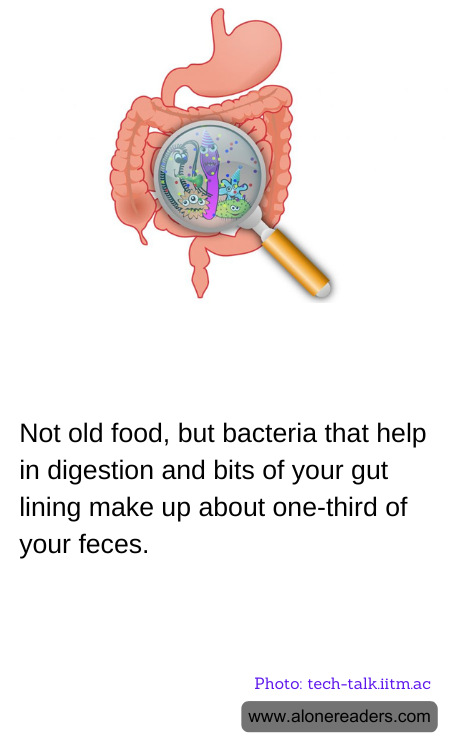
When we think about digestion, we often focus on the food we eat and how our bodies break it down. However, the process is far more complex and fascinating than just the transformation of food into energy. Surprisingly, about one-third of our feces is not composed of undigested food, but rather a combination of bacteria and bits of our gut lining. This intriguing fact highlights the vital role that our gut microbiome and intestinal health play in our overall well-being.
The human gut is home to trillions of microorganisms, collectively known as the gut microbiota. These bacteria are not just passive residents; they are active participants in digestion and play a crucial role in maintaining our health. They help break down complex carbohydrates, synthesize essential vitamins, and protect against harmful pathogens. The presence of these bacteria in our feces is a testament to their abundance and activity within our digestive system.
In addition to bacteria, our feces also contain bits of our gut lining. The lining of our intestines is constantly renewing itself, shedding old cells and replacing them with new ones. This process is essential for maintaining a healthy barrier that protects our body from harmful substances while allowing nutrients to be absorbed. The presence of these cells in our feces is a natural part of this renewal process and indicates that our gut is functioning properly.
Understanding the composition of our feces can provide valuable insights into our digestive health. For instance, an imbalance in the gut microbiota, known as dysbiosis, can lead to a variety of health issues, including digestive disorders, obesity, and even mental health conditions. By analyzing the bacteria present in our feces, scientists can gain a better understanding of our gut health and develop targeted treatments for these conditions.
Moreover, the presence of gut lining cells in our feces can also serve as an indicator of intestinal health. An excessive amount of these cells may suggest inflammation or damage to the gut lining, which can be caused by conditions such as inflammatory bowel disease or infections. Monitoring these levels can help in diagnosing and managing such conditions effectively.
In conclusion, while it may be surprising to learn that a significant portion of our feces is composed of bacteria and gut lining cells, this fact underscores the importance of maintaining a healthy gut. Our gut microbiota and intestinal lining play crucial roles in digestion and overall health. By taking care of our digestive system through a balanced diet, regular exercise, and, when necessary, medical intervention, we can support these vital components and promote our well-being. Understanding the composition of our feces is not just a matter of curiosity; it is a window into the complex and essential processes that keep us healthy.