More About This Card
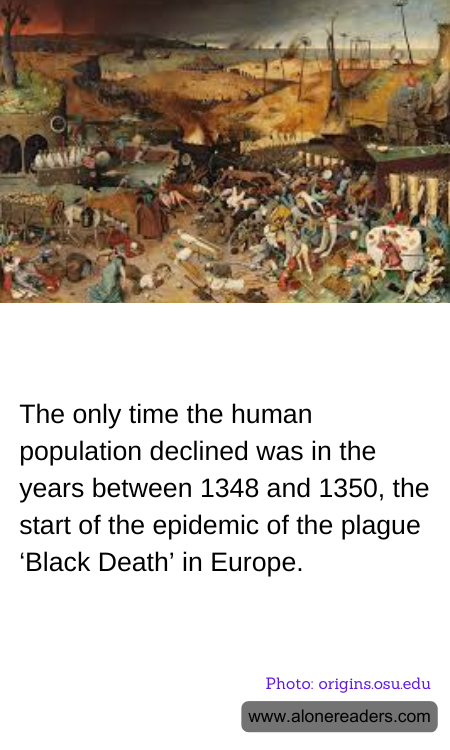
The mid-14th century marked a dark chapter in human history as the Black Death swept across Europe, leaving an indelible mark on the continent and causing the only significant decline in the global human population. Between 1348 and 1350, this devastating epidemic, caused by the bacterium Yersinia pestis, claimed the lives of an estimated 25 to 30 million people in Europe alone, which was nearly one-third of the continent's population at the time. The impact of the Black Death was not only felt in terms of the staggering loss of life but also in the profound social, economic, and cultural changes it triggered.
The Black Death is believed to have originated in Central Asia, traveling along the Silk Road and reaching Europe via trading ships that docked at Mediterranean ports. The disease spread rapidly, facilitated by the movement of people and goods, and was exacerbated by the unsanitary living conditions prevalent in medieval towns and cities. The bacterium was primarily transmitted through fleas that infested black rats, common inhabitants of urban areas. Once the disease took hold, it spread with alarming speed, causing fever, chills, vomiting, diarrhea, and the infamous black boils that gave the plague its name.
The societal impact of the Black Death was profound. With a significant portion of the population wiped out, labor became scarce, leading to economic upheaval. Fields went untended, and a shortage of workers led to increased wages for those who survived. This shift in the labor market contributed to the decline of the feudal system, as serfs and peasants found themselves in a stronger bargaining position. Additionally, the massive loss of life led to a questioning of traditional religious beliefs and institutions, as people sought explanations for the catastrophe that had befallen them.
Culturally, the Black Death left a lasting legacy. Art and literature from the period reflect the pervasive sense of doom and the transience of life. The danse macabre, or dance of death, became a popular motif, symbolizing the universality of death and its impartiality to social status. This period also saw the emergence of new religious movements and a shift in the way people viewed the world and their place in it.
While the Black Death was a tragedy of unimaginable proportions, it also served as a catalyst for change. The population decline led to a redistribution of wealth and resources, setting the stage for the Renaissance and the eventual rise of modern Europe. The lessons learned from this period in history continue to resonate today, reminding us of the fragility of human life and the importance of preparedness in the face of global health threats. The Black Death remains a poignant reminder of how interconnected our world is and how quickly circumstances can change, shaping the course of human history in unexpected ways.