More About This Card
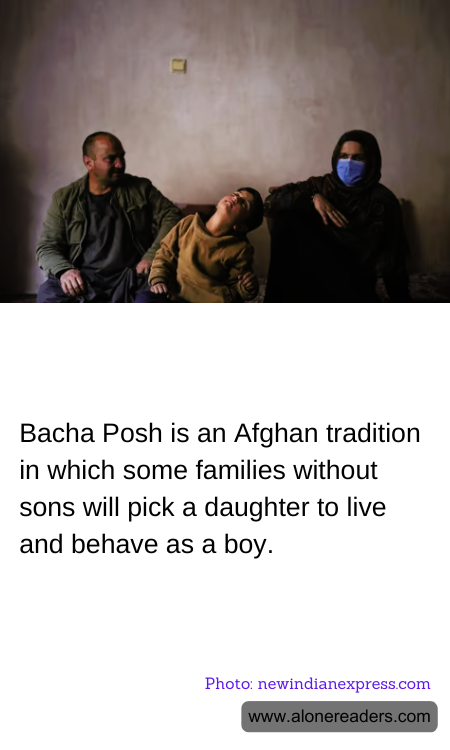
In Afghanistan, a unique cultural practice known as "Bacha Posh" offers a glimpse into the complexities of gender roles and societal expectations. This tradition, which translates to "dressed up as a boy," involves families without sons selecting a daughter to live and behave as a boy. The practice is deeply rooted in Afghan society, where having a son is often seen as a source of pride and a means of ensuring family honor and economic stability.
The Bacha Posh tradition allows girls to experience freedoms typically reserved for boys, such as attending school, working outside the home, and moving freely in public spaces. In a society where gender segregation and restrictions on women are prevalent, this temporary transformation provides these girls with opportunities that would otherwise be inaccessible. For many families, having a Bacha Posh is a practical solution to the societal pressures of producing a male heir, as it allows them to navigate social norms while fulfilling certain familial and economic roles.
While the practice can empower girls by granting them access to education and social mobility, it also raises questions about identity and the psychological impact on those involved. For the girls chosen to be Bacha Posh, the experience can be both liberating and challenging. They often enjoy the privileges and freedoms of being perceived as male, but this comes with the burden of maintaining a dual identity. As they reach puberty, many Bacha Posh are expected to revert to their female roles, which can lead to confusion and difficulty in adjusting to traditional gender expectations.
The tradition of Bacha Posh highlights the broader issues of gender inequality and the rigid roles assigned to men and women in Afghan society. It underscores the need for a cultural shift towards greater gender equality, where girls and women can enjoy the same rights and opportunities as their male counterparts without having to disguise their true identities. Efforts to address these disparities are ongoing, with various organizations advocating for women's rights and education in Afghanistan.
Despite the challenges, the stories of Bacha Posh serve as a testament to the resilience and adaptability of Afghan families. They reflect a society in transition, grappling with the tension between tradition and modernity. As Afghanistan continues to evolve, the hope is that practices like Bacha Posh will become unnecessary, as gender equality becomes more deeply ingrained in the fabric of society. Until then, the tradition remains a poignant reminder of the lengths to which families will go to navigate the complexities of gender and societal expectations.