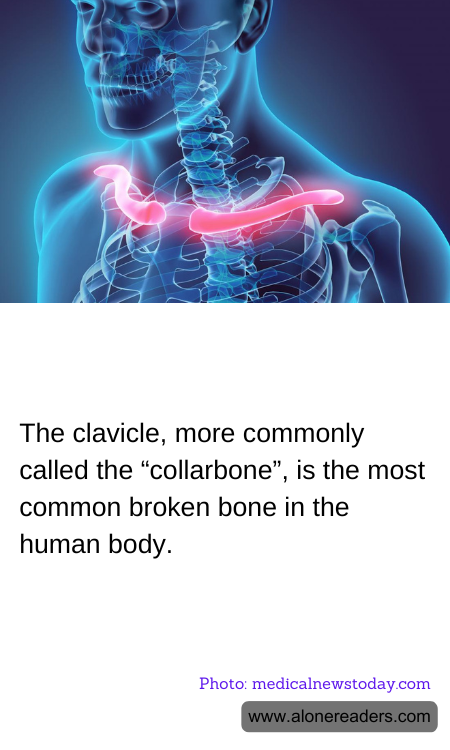
The clavicle, more commonly known as the collarbone, holds the distinction of being the most frequently broken bone in the human body. This slender, S-shaped bone is located between the shoulder blade and the sternum, playing a crucial role in connecting the arm to the body. Despite its small size, the clavicle is vital for shoulder movement and stability, which makes its vulnerability to fractures particularly significant.
One of the primary reasons the clavicle is prone to fractures is its location and structure. Positioned just beneath the skin, the clavicle lacks the protective cushioning of muscle and fat that other bones enjoy. This makes it susceptible to direct impacts. Additionally, its long, thin shape means it can easily snap under pressure. Common causes of clavicle fractures include falls, sports injuries, and car accidents. In children, whose bones are still developing, the collarbone is especially susceptible to breaks due to its softer, more pliable nature.
The symptoms of a broken clavicle are usually quite apparent. Pain at the site of the fracture, swelling, and a noticeable bump or deformity are typical indicators. In some cases, the shoulder may sag downward and forward due to the loss of structural support. Movement of the arm on the affected side can be painful, and there may be a grinding sensation if the broken ends of the bone rub against each other.
Treatment for a fractured clavicle often depends on the severity of the break. In many cases, non-surgical methods such as wearing a sling to immobilize the arm, along with pain management and physical therapy, are sufficient. The bone typically heals on its own over several weeks. However, more complex fractures, where the bone is severely displaced or broken into several pieces, may require surgical intervention. This can involve the use of plates, screws, or rods to realign and stabilize the bone.
Preventing clavicle fractures involves taking precautions during activities that pose a risk of falls or impacts. Wearing protective gear during sports, ensuring safe environments for children to play, and using seat belts in vehicles can all help reduce the risk of injury. Strengthening exercises for the shoulder and upper body can also provide additional support and resilience to the clavicle.
Understanding the role and vulnerability of the clavicle is essential for appreciating its importance in our daily lives. While it may be the most commonly broken bone, with proper care and attention, the risks associated with clavicle fractures can be minimized, allowing individuals to maintain their active lifestyles with confidence.
