More About This Card
The journey of life is a fascinating cycle, and even in death, the human body continues to tell a compelling story. One of the most intriguing aspects of this post-mortem journey involves the role of bacteria that reside within us. These microscopic organisms, which play a crucial role in our digestive processes during life, embark on a new mission once life ceases.
In the living body, trillions of bacteria inhabit the intestines, aiding in the digestion of food and the absorption of nutrients. These bacteria are essential for maintaining a healthy digestive system and contribute to the overall well-being of the host. However, when a person dies, the body's systems shut down, and the environment within the intestines changes dramatically. The immune system, which once kept these bacteria in check, no longer functions, allowing them to proliferate unchecked.
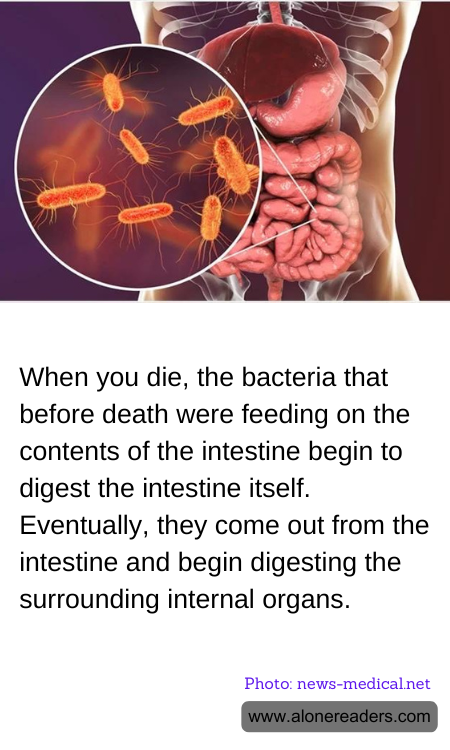
As the body's temperature drops and the blood flow ceases, the bacteria begin to consume the nutrients that remain in the intestines. This process is a natural progression, as the bacteria continue to seek sustenance in the absence of new food intake. Eventually, these bacteria start to digest the very tissues of the intestines themselves. This marks the beginning of a process known as autolysis, where the body's own enzymes and bacteria start breaking down tissues.
Once the bacteria have exhausted the resources within the intestines, they begin to migrate beyond their original confines. They penetrate the intestinal walls and start digesting the surrounding internal organs. This process is part of a larger phenomenon known as decomposition, where the body gradually breaks down into simpler organic materials. The bacteria play a pivotal role in this transformation, as they help to recycle the body's components back into the ecosystem.
While this process may seem unsettling, it is a natural and essential part of the life cycle. Decomposition allows for the recycling of nutrients back into the environment, supporting new life forms and maintaining ecological balance. In this way, the bacteria that once aided in digestion during life continue to fulfill an important role even after death.
Understanding this process highlights the interconnectedness of life and death and the remarkable adaptability of the natural world. It serves as a reminder of the intricate systems at play within our bodies and the vital role that even the smallest organisms have in the grand scheme of life. Through this lens, the post-mortem journey of bacteria becomes not just a biological process, but a testament to the continuity of life itself.